Why Is the Taj Mahal a Wonder of the World? History & Significance
Why Is the Taj Mahal a Wonder of the World? History, Architecture & Global Significance
The Taj Mahal is not just a monument; it is a symbol recognized across continents, cultures, and generations. Travelers, historians, architects, and students around the world ask the same question: why is the Taj Mahal a wonder of the world? What makes this white marble mausoleum in Agra stand apart from thousands of other historical structures built over centuries?
For many first-time visitors planning a trip to India, understanding the deeper meaning of the Taj Mahal becomes the starting point of their journey. This article is designed to help you understand its global importance, historical background, architectural brilliance, and cultural impact, so you can appreciate why millions of people consider visiting it a once-in-a-lifetime experience.
The Story Behind the Taj Mahal: A Monument Born From Love
One of the strongest reasons the Taj Mahal is considered a wonder of the world lies in its origin story. Unlike forts or palaces built to display power, the Taj Mahal was created as an expression of love.
In the 17th century, Mughal Emperor Shah Jahan commissioned the Taj Mahal in memory of his beloved wife, Mumtaz Mahal, who died during childbirth. Heartbroken by her death, Shah Jahan envisioned a monument that would preserve her memory forever — something the world had never seen before.
This emotional foundation gives the Taj Mahal a universal appeal. Love is a feeling that transcends borders, languages, and religions. People from different parts of the world connect with the monument not just as tourists, but as human beings who understand loss, devotion, and remembrance.
This deeply personal story transforms the Taj Mahal from stone and marble into a timeless symbol of eternal love.
Architectural Brilliance That Amazes the World
Perfect Symmetry and Balance
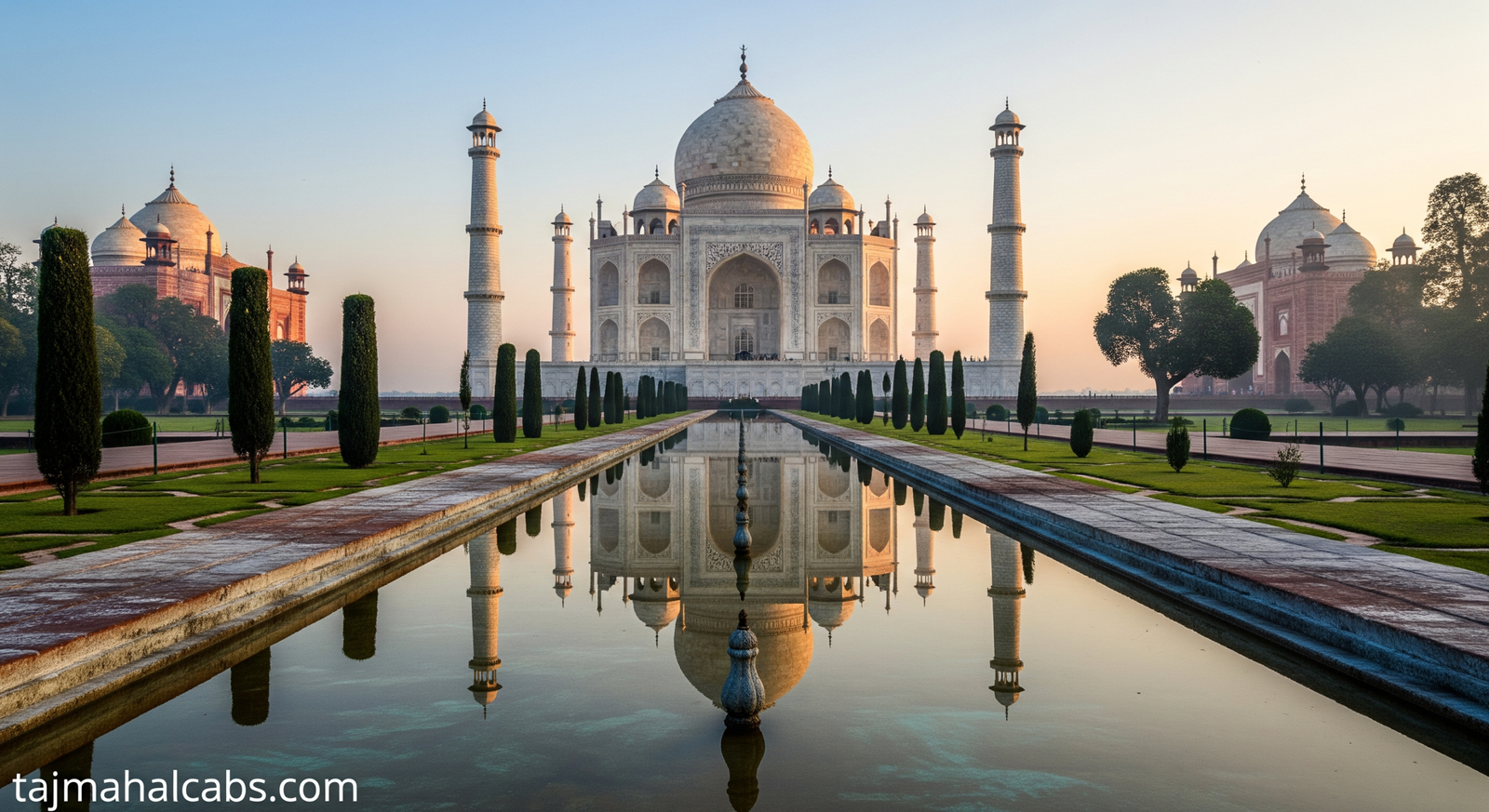
One of the most fascinating aspects of the Taj Mahal is its perfect symmetry. From its gardens to its domes and minarets, every element is precisely balanced. This symmetry represents harmony, order, and beauty — values deeply rooted in Mughal architecture.
Even the surrounding gardens follow a mathematical layout, symbolizing paradise as described in Persian and Islamic traditions.
White Marble That Changes With Light
The Taj Mahal is built almost entirely from white Makrana marble, which reflects light differently throughout the day. At sunrise, it appears soft pink. Under the afternoon sun, it glows white. During moonlight, it takes on a silvery hue.
This natural transformation makes the monument feel alive, changing its mood with time and weather. Few structures in the world interact with light so dramatically and naturally.
Optical Illusions and Engineering Precision
The monument was designed with optical corrections that continue to amaze modern engineers. For example:
- The minarets lean slightly outward, ensuring they would fall away from the main tomb during an earthquake.
- The entrance gate creates an illusion where the Taj Mahal appears closer or farther depending on your movement.
These details highlight the advanced scientific and engineering knowledge used in its construction over 350 years ago.
Why the Taj Mahal Was Selected as a New Wonder of the World
In 2007, the Taj Mahal was officially declared one of the New Seven Wonders of the World after a global voting process involving millions of people.
What Made It Stand Out Globally?
- Universal emotional appeal (love and loss)
- Architectural uniqueness
- Cultural and historical significance
- Preservation and authenticity
- Recognition by UNESCO as a World Heritage Site
Unlike many monuments that represent only a specific region or empire, the Taj Mahal resonates with people from all cultures. This universal admiration played a major role in its selection as a global wonder.
Cultural and Historical Significance of the Taj Mahal
The Taj Mahal represents a golden era of Indian history when art, science, and culture flourished together. It reflects:
- Persian design influences
- Indian craftsmanship
- Islamic architectural principles
Thousands of artisans, calligraphers, stone cutters, and engineers worked together for over 20 years to complete it. The Quranic inscriptions on its walls, carved in black marble, increase in size as they rise higher — a clever design trick that keeps them visually uniform from the ground.
This combination of artistry and innovation makes the Taj Mahal a living lesson in history and human creativity.
The Taj Mahal’s Impact on Global Tourism
The Taj Mahal is one of the most visited monuments on Earth, attracting millions of international travelers every year. It plays a vital role in:
- India’s tourism economy
- Cultural diplomacy
- Global heritage preservation awareness
For many foreign visitors, the Taj Mahal is the primary reason they choose to visit India. It often becomes the emotional highlight of their entire journey, leaving a lasting impression long after they return home.
Why Seeing the Taj Mahal in Person Is a Life-Changing Experience
Photographs and videos cannot fully capture the scale, serenity, and emotional presence of the Taj Mahal. Standing before it in silence, especially during the early morning hours, creates a sense of awe that words struggle to describe.
Many travelers say that experiencing the Taj Mahal in person changes the way they view history, architecture, and even love itself.
Because of its popularity and cultural importance, most visitors prefer a comfortable way to visit the Taj Mahal, allowing them to focus on the experience rather than logistics. Thoughtful planning makes a significant difference in how deeply one connects with the monument.
How Most International Travelers Explore the Taj Mahal Today
First-time visitors to India often look for convenience, safety, and clarity while traveling. Navigating a historic city like Agra can feel overwhelming without local knowledge.
As a result, many travelers choose a private car with a local driver in Agra, which allows them to:
- Travel at their own pace
- Avoid confusion and language barriers
- Focus on learning and experiencing the monument
A guided Taj Mahal experience also helps visitors understand hidden details, historical context, and cultural nuances that are easy to miss without expert insight.
Why the Taj Mahal Continues to Inspire the World
Centuries after its completion, the Taj Mahal remains relevant. Artists paint it, writers describe it, photographers chase its perfect light, and travelers cross oceans to see it with their own eyes.
It stands as a reminder that human creativity, when driven by emotion and purpose, can produce something truly timeless. This enduring relevance is a key reason why the Taj Mahal continues to be celebrated as a wonder of the world.
For first-time visitors, learning how and when to explore the Taj Mahal can make the experience more meaningful and stress-free.
Advice From Taj Mahal Travel Experts (Taj Mahal Cabs)
For travelers planning their first visit, experts consistently recommend:
- Visiting early in the morning to avoid crowds
- Allowing enough time to explore calmly
- Understanding the cultural and historical background before arrival
- Choosing comfortable and reliable local travel arrangements
Thoughtful preparation enhances not only comfort but also emotional connection with this iconic monument.
👨💼for Booking & Inquiry Please Call / WhatsApp to +91 7500-840-840
Frequently Asked Questions
Why is the Taj Mahal considered a wonder of the world?
The Taj Mahal is considered a wonder of the world because of its emotional origin, architectural perfection, cultural significance, and universal appeal. It represents love, artistry, and human creativity at its finest.
Who built the Taj Mahal and why?
The Taj Mahal was built by Mughal Emperor Shah Jahan in memory of his wife Mumtaz Mahal as a symbol of eternal love.
What makes the Taj Mahal unique compared to other monuments?
Its perfect symmetry, white marble design, optical precision, and emotional story make it unique among global monuments.
Is the Taj Mahal worth visiting in person?
Yes. Seeing the Taj Mahal in person offers a powerful emotional and visual experience that cannot be replicated through photos or videos.
How do most travelers explore the Taj Mahal?
Most international travelers prefer structured, comfortable travel options that allow them to explore the Taj Mahal calmly and understand its deeper significance.
Noted:- For e-visa applicants: You must apply for e-visa, 4 days prior of your date of arrival in India.
For more information visit: https://indianvisaonline.gov.in/visa/index.html
Other Popular Taj Mahal & Golden Triangle Tours

Taj Mahal Private Guided Tours

Sunrise Taj Mahal Guided Tours

Taj Mahal Train Tours

Taj Mahal Tour by Car

Taj Mahal Overnight Tours

Delhi Agra Off-beat Tours

Delhi City Tours India

Delhi Agra Tours with Hotel Stay

Delhi to Jaipur Guided Tours

Popular Golden Triangle Tours

To/From Taj Mahal Transfer Deals


✍️ Author
Written by Alamgir Khan, Agra-based Taj Mahal tour expert and founder of Taj Mahal Cabs, helping travelers from around the world experience India’s most iconic monument with comfort, care, and authenticity.
You must be logged in to post a comment.