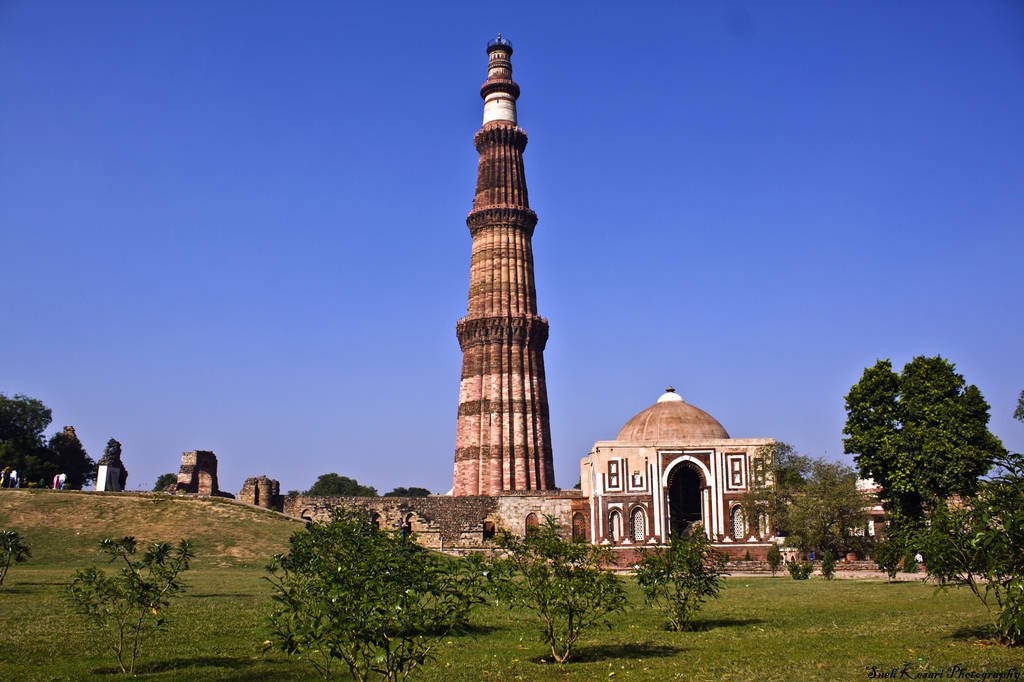
Best Time to Visit Delhi: Month-by-Month Travel Guide
Best Time to Visit Delhi: A Practical Month-by-Month Guide
Choosing the best time to visit Delhi is not simply about finding the month with the nicest weather.
For a first-time visitor, the better question is:
What will Delhi be like when I go, and will the weather suit the way I want to travel?
Delhi can be hot enough to change how you plan a sightseeing day, while winter mornings can occasionally be foggy. The monsoon brings a different set of considerations. Festivals, holidays, crowds and your plans for Agra can also influence which dates make sense.
For many first-time visitors, October through March is the most comfortable period for outdoor sightseeing, although each month has its own advantages and trade-offs.
If you are still building your overall trip, start with our Delhi Travel Guide and then use this page to choose your travel season.
Quick Answer: When Is the Best Time to Visit Delhi?
For most first-time visitors, October to March is the most practical period for comfortable sightseeing.
However, there is no single perfect month for everyone.
- October–November: generally comfortable for sightseeing as temperatures become more pleasant.
- December–January: cooler, with cold mornings and occasional fog.
- February: often a comfortable month for exploring outdoors.
- March: increasingly warm but still workable for many travelers.
- April–June: increasingly hot, especially for long outdoor sightseeing days.
- July–September: monsoon influence brings humidity and periods of rain, but travel is still possible.
If your priority is walking around historic sites and spending substantial time outdoors, the cooler months are usually easier.
If your dates are fixed, don’t worry. Delhi can be visited throughout the year—you simply need to adjust your itinerary and expectations.
Delhi Weather at a Glance
| Period | What to Expect | Best For |
|---|---|---|
| January | Cool mornings, possible fog | Heritage sightseeing with flexibility |
| February | Generally comfortable | First-time visitors |
| March | Warmer but often manageable | Sightseeing and longer days |
| April | Increasing heat | Early-morning sightseeing |
| May | Very hot conditions possible | Travelers comfortable with heat |
| June | Very hot, conditions can vary | Shorter outdoor sessions |
| July | Rain and humidity | Flexible travelers |
| August | Humid with rainy periods | Travelers comfortable with changing weather |
| September | Rain may ease, warmth remains | Flexible itineraries |
| October | Conditions generally become more comfortable | Strong overall choice |
| November | Pleasant for many outdoor activities | First-time visitors |
| December | Cool mornings, possible fog | Heritage and cultural trips |
These are useful planning patterns rather than guarantees. Weather varies from year to year.
Delhi by Season
Winter: December to February
Winter is one of the most popular periods for sightseeing in Delhi.
The cooler conditions can make it easier to spend several hours visiting monuments, walking through historic areas and exploring markets.
But there is one important caveat:
Fog
December and January can occasionally bring morning fog.
That may affect:
- visibility
- road travel
- photography
- early-morning plans
- flight or train schedules in some circumstances
This does not mean you should avoid winter.
It simply means that travelers with tightly packed itineraries should leave some flexibility.
Is winter good for first-time visitors?
Generally, yes.
If your main goal is sightseeing, winter can be one of the easiest seasons to handle physically.
March to April: The Transition Into Hotter Weather
March can be a good compromise for travelers who want outdoor sightseeing without the cooler winter mornings.
By April, temperatures can become noticeably warmer.
If you are planning a packed sightseeing day, consider:
- starting early
- taking a longer lunch break
- reducing midday outdoor activities
- carrying water
- using air-conditioned transportation where appropriate
Your choice of itinerary matters more as temperatures rise.
For example, if you’re planning only one day in Delhi, compare your route with our Delhi one-day itinerary rather than trying to fit every attraction into the day.
May to June: The Hottest Period
May and June can be extremely hot.
That doesn’t make travel impossible, but it does change what a sensible itinerary looks like.
A first-time visitor should think carefully before planning:
monument → long walk → another monument → outdoor market → another monument
during the hottest part of the day.
Instead:
- start sightseeing early
- use indoor attractions during the hottest hours
- take regular breaks
- stay hydrated
- avoid unnecessary walking at midday
- allow extra time for rest
If you have flexibility and strongly dislike hot weather, this is generally not the period I would choose for a first Delhi sightseeing trip.
July to September: Monsoon Season
Delhi’s monsoon period can bring rain, humidity and sudden changes in weather.
There can still be good days for sightseeing.
The main difference is that you should avoid building an itinerary that depends on perfect outdoor conditions.
Keep some flexibility for:
- rain
- wet roads
- slower traffic
- humidity
- changes to outdoor plans
Is monsoon a bad time to visit Delhi?
Not necessarily.
Travelers who are flexible and don’t mind occasional rain can still have a worthwhile trip.
The bigger issue is whether the weather matches the type of trip you want.
October to November: A Strong Choice for First-Time Visitors
October is often when travelers begin looking toward Delhi for more comfortable sightseeing conditions after the hotter part of the year.
November can also be a particularly attractive period for visitors who want to spend substantial time outdoors.
This is a useful period for travelers planning a combination of:
- Delhi sightseeing
- Agra
- Taj Mahal
- Jaipur
- wider Golden Triangle travel
If you are deciding what to see once you arrive, our guide to the best places to visit in Delhi can help you prioritize rather than trying to visit everything.
Best Time to Visit Delhi for First-Time Visitors
If you have never visited Delhi before, October through March is generally the easiest period to recommend for comfortable outdoor sightseeing.
But don’t treat that as an absolute rule.
Your ideal month depends on:
- how much time you have
- how comfortable you are with heat
- whether you want outdoor sightseeing
- whether you are traveling with children
- whether you are visiting Agra
- whether photography is important
- how flexible your schedule is
The best travel date is the one that fits both the weather and the trip you actually want.
Best Time to Visit Delhi for Families
Families may benefit from choosing a period when outdoor temperatures are easier to manage.
This becomes particularly important when traveling with:
- young children
- older family members
- travelers who do not tolerate heat well
A family itinerary should also avoid too many distant attractions in a single day.
Choosing where to stay can make a noticeable difference. Our guide to where to stay in Delhi explains how location can affect your sightseeing plans.
Best Time to Visit Delhi for Couples
Couples who want a mixture of sightseeing, food, markets and relaxed evenings may prefer the cooler months.
However, don’t choose dates solely because they are considered “peak season.”
Think about the experience you actually want.
If you prefer:
comfortable outdoor sightseeing → cooler months
If you don’t mind heat and prefer a more flexible trip → warmer months may still work.
Best Time to Visit Delhi for Photography
Photography conditions depend on more than temperature.
Consider:
- morning light
- afternoon light
- haze
- fog
- visibility
- how much time you can spend outdoors
Winter can provide comfortable temperatures but may occasionally bring fog or reduced visibility.
Hotter months can provide different light and conditions but may make extended outdoor photography uncomfortable.
The best photography season therefore depends on whether you prioritize comfort, visibility, light or atmosphere.
Best Time to Visit Delhi for Outdoor Sightseeing
If your trip revolves around monuments, gardens, markets and walking, prioritize periods when temperatures allow you to stay outdoors comfortably.
This is especially important if you are planning to visit several parts of the city.
Our Delhi attractions guide is useful for comparing the types of places you may want to include.
Best Time to Visit Delhi on a Budget
There is no single month that is guaranteed to be the cheapest.
Hotel and transportation prices can change depending on:
- holidays
- festivals
- weekends
- local events
- demand
- how far in advance you book
Instead of assuming a particular month is always cheap, compare actual prices for your dates.
If budget is important, also consider how much your chosen season affects transportation, accommodation and your daily itinerary.
Delhi Festivals and Holidays
Festivals can make a Delhi trip more memorable, but they can also affect:
- traffic
- attraction access
- hotel demand
- opening arrangements
- local crowds
- transportation
If you specifically want to experience a festival, plan around the event.
If your priority is straightforward sightseeing, check the local holiday calendar before finalizing your dates.
Don’t assume that a famous attraction will operate exactly like a normal day during every festival or public holiday.
Best Time to Visit Delhi and Agra
This is especially important if Delhi is only one part of your India itinerary.
If you are combining Delhi with Agra, choose dates by considering both destinations, not Delhi alone.
The same weather that affects Delhi sightseeing can also affect your experience at the Taj Mahal and other Agra monuments.
For travelers who have limited time, the cooler period is generally easier for combining outdoor sightseeing in both cities.
If the Taj Mahal is a major priority, see our guide to a Delhi to Taj Mahal day trip for first-time visitors.
Best Time for a Delhi to Taj Mahal Day Trip
A Delhi–Agra day trip involves more than visiting a single monument.
You need to account for:
- travel time
- sightseeing
- meals
- traffic
- attraction entry
- the return journey
Weather therefore matters.
During hotter months, an already long day can feel more tiring.
During winter, morning fog may occasionally affect visibility or travel.
The practical solution is not to promise a “perfect” month but to build enough flexibility into your travel day.
How Weather Should Change Your Delhi Itinerary
Your itinerary should adapt to the season.
Cooler months
You can usually plan longer outdoor sightseeing sessions.
Hot months
Start early and move outdoor-heavy activities away from the hottest part of the day.
Monsoon
Keep alternative indoor activities available and allow extra travel time.
Winter fog
Avoid making your entire day dependent on perfect early-morning visibility.
If you are still deciding how much sightseeing to attempt, first work out how many days you need in Delhi.
What Should You Pack for Delhi?
Your packing list should reflect the season.
Cooler months
Consider:
- light layers
- a warmer layer for mornings
- comfortable walking shoes
Hot months
Consider:
- breathable clothing
- sun protection
- sunglasses
- water bottle
- comfortable walking shoes
Monsoon
Consider:
- compact rain protection
- footwear suitable for wet conditions
- a waterproof bag for electronics
Regardless of season, comfortable footwear is one of the most useful things you can bring.
How to Plan Around Delhi Weather
A weather-friendly itinerary doesn’t need to be complicated.
Use three simple rules:
1. Put outdoor-heavy activities at the right time
Don’t schedule several hours of walking during the hottest part of the day.
2. Group attractions geographically
This reduces the amount of time you spend traveling.
3. Keep some flexibility
Delhi traffic, weather and attraction conditions can change your schedule.
For transportation planning, see our guide to getting around Delhi.
Common Mistakes First-Time Visitors Make
Choosing dates based only on a generic “best season”
The best season for someone else may not be the best season for you.
Planning too many outdoor attractions
This becomes particularly uncomfortable in hot weather.
Ignoring winter fog
December and January can require flexibility.
Treating monsoon as a reason to cancel automatically
Rain doesn’t necessarily ruin a Delhi trip.
Forgetting Agra
If the Taj Mahal is part of your plan, consider Agra’s conditions too.
Building an itinerary without travel time
A sightseeing schedule is only useful if you can actually move between the places.
So, What Is the Best Month to Visit Delhi?
If you want a simple answer:
February, October and November are strong choices for many first-time visitors looking for comfortable sightseeing conditions.
The broader October–March period is generally a practical recommendation, but December and January can bring cooler mornings and occasional fog.
If your dates are fixed outside this period, don’t automatically change your trip.
Instead, change your itinerary to suit the conditions.
Final Recommendation
For most first-time visitors:
Best overall period: October–March
Good balance of sightseeing comfort: October–November and February
Cooler but potentially foggy: December–January
Increasingly warm: March–April
Hotter period: May–June
Rain and humidity: July–September
There is no universal “perfect” month.
The right time is the one that gives you the conditions you can comfortably handle while fitting the places you want to see.
And if Delhi is part of a larger Delhi–Agra or Golden Triangle itinerary, choose your dates with the whole journey in mind rather than looking at Delhi in isolation.
For the complete planning picture, return to our Delhi Travel Guide.
Frequently Asked Questions
Which month is best for visiting Delhi? +
For many first-time visitors, February, October and November offer a good balance of comfortable sightseeing conditions. More broadly, October through March is generally the easiest period for outdoor exploration.
Is December a good time to visit Delhi? +
Yes. December can be comfortable for sightseeing, although mornings can be cold and fog may occasionally affect visibility.
Is January a good month for Delhi? +
January can be a good time for sightseeing because of cooler temperatures, but travelers should allow flexibility for cold mornings and occasional fog.
Is February a good time to visit Delhi? +
February is often a comfortable period for outdoor sightseeing and can be an attractive choice for first-time visitors.
Is summer a bad time to visit Delhi? +
Not necessarily. May and June can be very hot, so travelers should plan shorter outdoor sessions, start early and take more breaks.
Can I visit Delhi during the monsoon? +
Yes. July through September can still work for travelers who are comfortable with humidity and occasional rain.
What is the best time to visit Delhi and Agra? +
For many travelers, the cooler October–March period is more comfortable for combining outdoor sightseeing in Delhi and Agra.
Does fog affect Delhi travel? +
Winter fog can occasionally reduce visibility and affect some morning plans. Leave some flexibility if your itinerary depends on early travel or clear views.
What is the best season for first-time visitors to Delhi? +
The cooler months are generally the easiest for first-time visitors who want to spend significant time outdoors.
Should I change my Delhi trip if I can only travel in summer? +
Not necessarily. Adjust your sightseeing schedule instead: start early, avoid prolonged midday outdoor activity and build in breaks.
Should I visit Delhi before or after Agra? +
Either can work. The better choice depends on your arrival point, departure plans and wider India itinerary. Avoid choosing solely on the assumption that one order is always better.
👨💼for Booking & Inquiry Please Call / WhatsApp to +91 7500-840-840





Last reviewed: August 2026
Author
Babloo, Taj Mahal Cabs