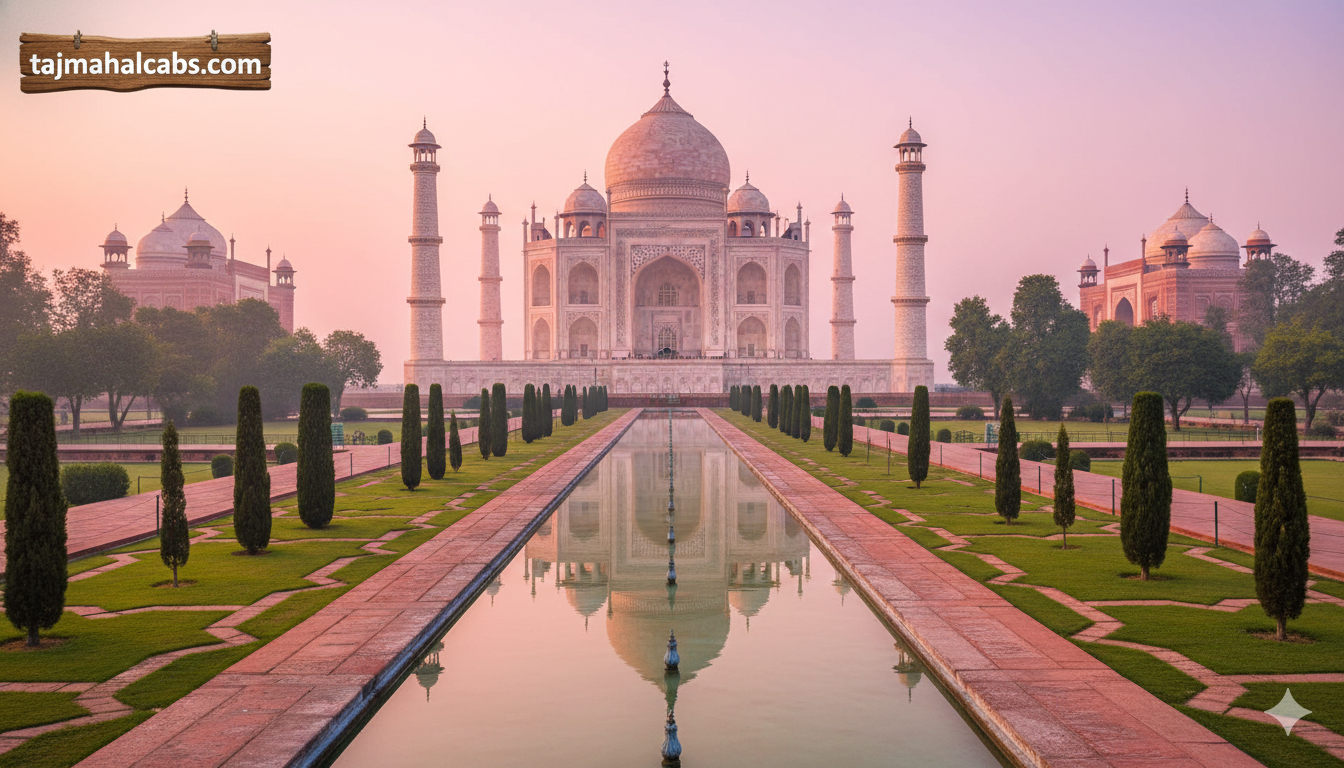
You Won’t Believe Why the Taj Mahal Turns Pink at Sunrise
The Taj Mahal Turns Pink at Sunrise
I’ll never forget the first time I saw the Taj Mahal at sunrise. I arrived at the monument just before dawn, my camera in hand, heart racing with excitement, and there it was—standing majestically on the banks of the Yamuna River, white marble shimmering faintly in the pre-dawn light. And then, slowly, as the sun peeked over the horizon, the entire monument seemed to blush pink, as if it were alive, awakening with the morning. In that moment, I understood why travelers from all over the world wake up before dawn just to witness this fleeting spectacle.
Many people who visit the Taj Mahal assume it is always the pristine white marble they see in postcards, but anyone who has experienced the early morning scene knows it’s much more than that. The Taj Mahal turns pink at sunrise, and it’s not magic—it’s a stunning combination of natural light, atmospheric conditions, and the monument’s own architectural brilliance. As someone who has spent years traveling across India and photographing its wonders, I can tell you: this is a sight that stays with you forever.
If you’re wondering, “Why does the Taj Mahal turn pink in the morning?”, you’re in the right place. In this article, I’ll break down the science behind the pink glow, share insider tips for the best viewing experience, and give you photography tricks so you can capture the Taj Mahal at its most enchanting hour. I’ll also take you through the different colors of the Taj Mahal at sunrise, daytime, and sunset, along with stories and legends that add a touch of magic to its beauty.
One of the things I love most about the Taj Mahal is that it’s not static—it changes with the light. Early morning, it wears a delicate pink robe; by noon, it gleams a brilliant white; and during sunset, it takes on a soft golden hue. Each shift tells a story, a subtle reminder of why Shah Jahan built it: as a monument of eternal love for Mumtaz Mahal. Witnessing the morning pink glow, in particular, feels almost personal, as though the monument itself is whispering its timeless tale.
From a photography perspective, the pink hour at the Taj Mahal is pure magic. The marble reflects the soft, warm light in ways that are impossible to capture in the harsh afternoon sun. Whether you’re a professional photographer or a casual traveler, timing your visit right can transform your experience. In this guide, I’ll share exactly when to arrive, where to stand, and how to photograph the Taj Mahal’s pink morning glow—plus some lesser-known tips that only local guides and seasoned travelers like me know.
So, if you’re ready to uncover the secret behind the Taj Mahal’s pink blush and plan your perfect sunrise visit, stay with me. By the end of this guide, you’ll not only know the reason why the Taj Mahal turns pink at sunrise, but you’ll also feel like you’ve been there—standing on the riverbank as the first rays of sun light up one of the world’s most iconic monuments.
A Practical Guide from Alamgir Khan, Local Taj Mahal Tour Expert at Taj Mahal Cabs.


Taj Mahal at a Glance – A Quick History
The Taj Mahal isn’t just a monument—it’s a story carved in white marble, a love letter to eternity. Built by Emperor Shah Jahan in the 17th century in memory of his beloved wife Mumtaz Mahal, this UNESCO World Heritage Site stands as one of the most celebrated architectural wonders of the world. Its grandeur, symmetry, and intricate carvings are breathtaking in any light, but there’s something truly magical about seeing it at sunrise, when the Taj Mahal’s morning glow transforms it into a living canvas of colors.
Construction of the Taj Mahal began in 1632 and took nearly 22 years to complete, employing thousands of artisans, masons, and craftsmen from across India and beyond. The result? A masterpiece of Mughal architecture that perfectly blends Persian, Islamic, and Indian design elements. From the elegant dome that rises like a crown over the central tomb, to the minarets standing like sentinels on each corner, every detail was meticulously planned to reflect balance, beauty, and spiritual harmony.
But beyond the architectural brilliance, what fascinates visitors the most is the changing personality of the Taj Mahal with time and light. Many think of it as a pure white monument, yet anyone who has stood before it at dawn knows the truth: in the first rays of the morning sun, the marble blushes a delicate pink, softening its silhouette and reflecting the warmth of the rising sun. By noon, the monument shines a brilliant, almost blinding white, and during sunset, it glows golden. Some nights, under a full moon, it radiates a silver luminescence that feels almost surreal. This natural transformation is part of the Taj Mahal’s enduring allure—it’s not static; it evolves throughout the day, revealing different moods and emotions.
The surrounding gardens, laid out in the traditional charbagh (four-part) Mughal style, enhance this visual poetry. Symmetrical pools and reflective waterways mirror the monument, doubling the spectacle, especially during sunrise. For travelers like me, standing on the far bank of the Yamuna River while the Taj Mahal slowly blushes pink is a moment of pure serenity. It’s as if time slows down, and for those few minutes, you’re not just seeing history—you’re feeling it.
Understanding this context makes the Taj Mahal’s pink sunrise phenomenon even more special. It’s not just about light and marble; it’s about history, culture, and artistry coming together in perfect harmony. And as a travel expert, I can tell you: experiencing this early morning spectacle firsthand is nothing like looking at a photo—it’s an emotional, almost spiritual experience that stays with you forever.
Why Does the Taj Mahal Turn Pink at Sunrise? (The Science & Atmosphere)
If you’ve ever wondered why the Taj Mahal turns pink at sunrise, you’re not alone. Many first-time visitors are stunned, expecting the monument to remain the iconic pure white they’ve seen in photos. But standing there in the early morning, watching the marble blush in shades of soft pink, it almost feels like the monument has a heartbeat of its own. And while it seems magical, there’s actually a fascinating combination of science, light, and nature behind it.
The first factor is the white marble itself. The Taj Mahal is constructed from Makrana marble, prized for its fine texture and reflective qualities. White marble doesn’t just reflect light—it interacts with it. During sunrise, the sun sits low on the horizon, casting warm hues of red, orange, and pink. The marble absorbs and subtly reflects these colors, creating that famous morning pink glow. In other words, the Taj Mahal acts like a giant canvas, capturing the soft tones of the morning sky.
Next comes atmospheric conditions. The morning air in Agra often contains a thin layer of moisture and dust particles. These particles scatter sunlight in a process scientists call Rayleigh scattering. Essentially, shorter blue wavelengths scatter out of view, leaving longer red and pink wavelengths to dominate. This is why the Taj Mahal appears pink at dawn and golden at sunset, while midday sunlight renders it brilliantly white.
But science alone doesn’t tell the whole story. Human perception plays a role, too. Our eyes are naturally more sensitive to warm colors in the early morning, so the delicate pinks of the Taj Mahal appear more vivid than they might to a camera or a passing glance. This combination of marble properties, sunlight, and human perception is what makes the experience so enchanting.
I’ve spent countless mornings photographing the Taj Mahal, and every time the morning pink hue emerges, it feels different. Sometimes the pink is subtle, like a gentle blush; other times it’s more intense, almost glowing, depending on the season and cloud cover. From my own experience, the most dramatic pinks appear in October through March, when the skies are clear, and the sun rises at just the right angle.
It’s also worth noting that while many tourists focus on sunset, I personally prefer sunrise. The soft morning light not only highlights the Taj Mahal’s pink hue but also brings out the delicate carvings and floral inlays on the marble, which often get washed out in harsher midday light. Standing on the riverbank at this hour, watching the monument slowly transform, is a moment of pure serenity—a reminder that some experiences can’t be captured fully in photos or words.
So next time someone asks why the Taj Mahal turns pink at sunrise, you can tell them it’s a perfect mix of science, nature, and architectural genius, all working together to create one of the most beautiful sights in the world.
The Best Time to See the Taj Mahal Turn Pink
If you’re planning to witness the Taj Mahal’s morning pink glow, timing is everything. From my years of experience as a travel expert, arriving at the right hour can make the difference between a fleeting blush and a breathtaking spectacle that stays with you forever.
The ideal time is roughly one hour before sunrise until about 7:30 AM, depending on the season. During these early moments, the marble gradually changes from soft white to delicate pink, reflecting the first rays of sunlight in the most magical way. Personally, I recommend arriving at least 15–20 minutes early. It gives you a chance to find the perfect viewpoint, set up your camera, and soak in the quiet serenity before the crowds arrive.
The best months to see the Taj Mahal blush pink are generally October through March. The skies are clearer, humidity is lower, and the angle of the sun produces the softest, most romantic hues. During the monsoon season, you might still catch pink hues, but clouds can sometimes obscure the effect.
Location matters, too. I always prefer the Yamuna River side, where the reflection of the Taj Mahal in the water doubles the beauty. Watching the monument glow pink against the still river is like seeing two masterpieces at once. Another favorite spot is near the main entrance gardens, where you can capture the symmetry of the monument framed by the lush greenery.
And here’s a travel insider tip: avoid weekends if possible. Early mornings on weekdays are quieter, giving you the best chance to enjoy the Taj Mahal’s pink glow without being jostled by crowds. I’ve spent mornings here with only a handful of people, and the experience is almost meditative—the monument slowly awakening in shades of pink, golden, and soft orange.
Witnessing this spectacle isn’t just about photography—it’s about the emotion, the silence, and the awe of seeing history come alive in the morning light. Trust me, it’s a moment you’ll never forget.
Photography Tips to Capture the Pink Taj Mahal
If you’ve ever tried photographing the Taj Mahal at sunrise, you know it’s as challenging as it is rewarding. From my years as a travel expert, capturing that morning pink glow requires patience, preparation, and a little insider knowledge. Let me walk you through how to make the most of your visit.
1. Timing is Everything
As I always say, the first 30 minutes after sunrise are golden. Arrive early, preferably 15–20 minutes before sunrise, so you can set up and watch the monument slowly blush pink. The color changes quickly, and the angle of sunlight shifts, so you’ll need to be ready.
2. Camera Settings for the Perfect Shot
- ISO: Keep it low (100–200) to avoid grain in the soft morning light.
- Aperture: f/8 to f/11 works best for crisp architectural details.
- White Balance: Use the “daylight” or “cloudy” setting to preserve warm pink hues.
- Tripod: Essential if you want long-exposure shots reflecting in the Yamuna River.
3. Best Angles & Compositions
- The Yamuna River side gives a mirrored reflection of the Taj Mahal, amplifying the pink glow.
- The main entrance gardens offer symmetry shots with the monument perfectly framed by lush greenery.
- Try low angles with foreground elements like flowers, fountains, or pathways for depth.
4. Smartphone Photography Tips
Even without a professional camera, you can capture stunning images. Use HDR mode to balance the soft pink marble with the brighter sky. Try the golden hour filters sparingly; the natural hues are often more beautiful than edited ones.
5. Patience & Observation
Finally, photography is about more than just technical settings. Stand back and observe how the light moves across the marble. Sometimes the pink is subtle, barely noticeable; other mornings, it’s almost magical, glowing like the Taj Mahal itself is breathing. I’ve spent mornings adjusting my camera 15 times, waiting for the perfect light—and every second was worth it.
Capturing the Taj Mahal’s pink glow isn’t just about taking a picture—it’s about experiencing the moment. The colors, the reflection, the serenity, and the awe all combine to create images that tell a story, one that will stay with you long after you leave Agra.
Other Colors of Taj Mahal – Beyond Pink
While the pink glow at sunrise is arguably the most magical, the Taj Mahal is a monument that transforms with every passing hour, offering a palette of colors that feels almost alive. Having visited it multiple times throughout the day, I can assure you that each moment brings a unique experience.
By midday, the Taj Mahal reflects bright, dazzling white, almost blinding under the harsh sun. This is when the intricate carvings, inlays, and calligraphy on the marble truly stand out. If your goal is photography, be aware that the white light can be tricky—shadows are harsher, and subtle details can get lost.
As the sun sets, the monument takes on a golden hue, bathing the marble in warm amber light. During this time, the gardens and fountains create soft reflections, adding depth and richness to your photos. Many travelers overlook this window, focusing only on sunrise, but the evening golden light can be equally breathtaking.
And then, on rare nights with a full moon, the Taj Mahal seems almost ethereal, glowing silver against the night sky. I’ve walked its gardens at midnight, and it’s an experience that feels almost dreamlike—the monument serene, silent, and timeless.
Each of these colors—the pink blush in the morning, the white brilliance at noon, the golden sunset glow, and the silver moonlit luminescence—tells a story of its own. Experiencing them all gives a fuller appreciation of Shah Jahan’s masterpiece.
So, if your travel plans allow, I always recommend visiting multiple times a day. Trust me, the Taj Mahal is a living canvas, and no single photograph can capture its true beauty.
Stories and Legends Around Taj Mahal’s Colors
The Taj Mahal is not just a marvel of architecture—it’s a monument wrapped in romance, history, and legend. Over centuries, travelers and locals alike have woven stories around its changing colors, especially the pink hues at sunrise.
One popular tale says that Shah Jahan designed the monument to reflect the moods of his beloved Mumtaz Mahal. In the morning, the Taj Mahal blushes pink, representing the freshness and love of a new day. During the day, it gleams white, symbolizing purity, and at sunset, it turns golden, capturing the warmth and richness of life. Whether fact or legend, these stories add a layer of romance that complements the monument’s physical beauty.
Local guides often tell visitors that the marble itself has a soul, changing colors to mirror the emotions of those who visit. Travelers, poets, and painters have all described the Taj Mahal at dawn as “breathing in the first light of day,” with the soft pink glow evoking serenity, romance, and awe.
I’ve personally felt this magic countless times. Standing on the Yamuna Riverbank, watching the Taj Mahal slowly blush pink, I often catch myself imagining the whispers of history carried in the morning breeze. It’s these legends and personal moments that make the Taj Mahal sunrise experience more than just sightseeing—it becomes a story you live and remember forever.
Visiting Tips for Experiencing the Pink Taj Mahal
Seeing the Taj Mahal turn pink at sunrise is a magical experience, but a little planning goes a long way. From my years of traveling and guiding visitors across India, I’ve learned that timing, preparation, and perspective can make all the difference.
1. Arrive Early
To catch the full pink transformation, plan to arrive at least 30 minutes before sunrise. The early morning calm adds to the experience—fewer crowds, serene reflections in the Yamuna River, and uninterrupted views of the monument. I’ve often arrived at 5:45 AM, just as the first hints of pink start to appear, and it’s unforgettable.
2. Choose the Right Viewpoint
- Yamuna River side: Perfect for capturing the Taj Mahal’s reflection in the water.
- Main entrance gardens: Great for symmetrical shots framed by greenery.
- Side pathways: Offer unique angles, especially if you want photos without many people in the frame.
3. Essentials to Bring
- Camera or smartphone with HDR mode
- Tripod for long exposures
- Light jacket if visiting in winter months
- Water and snacks—morning waits can be long but worth it!
4. Consider Weekdays and Off-Peak Seasons
Weekdays are quieter, and visiting between October and March gives you clearer skies and softer morning light. Avoiding weekends can dramatically improve your experience.
5. Respect the Monument
The Taj Mahal is a UNESCO World Heritage Site. Maintain silence, follow signage, and avoid touching marble surfaces. Your respect helps preserve its beauty for everyone.
With these tips, witnessing the Taj Mahal’s morning pink glow becomes more than just sightseeing—it turns into a personal, almost spiritual moment, one that I promise will stay in your memory long after your visit.
Conclusion – The Timeless Beauty of Taj Mahal at Sunrise
Witnessing the Taj Mahal turn pink at sunrise is an experience that stays with you forever. It’s not just the colors, the marble, or the architecture—it’s the feeling of standing before centuries of history, love, and artistry, as the first rays of the sun breathe life into one of the world’s most iconic monuments.
From the soft pink blush of the morning to the golden hues of sunset, the Taj Mahal is a living masterpiece, constantly evolving with the light. Understanding the reason behind the pink glow, from the reflection on Makrana marble to the scattering of morning light, adds another layer of appreciation for this architectural wonder. But even without knowing the science, the sheer emotion of the moment is enough to leave anyone in awe.
As a travel expert, I’ve spent countless mornings waiting for the perfect light, and I can tell you this: there’s nothing quite like the Taj Mahal at sunrise. So plan your visit, rise early, and immerse yourself in the beauty of its morning pink glow. Trust me, seeing it firsthand is a memory you’ll carry with you forever.
Want to make the most of Agra & Delhi in 2 days? Connect with Alamgir Khan for expert travel insights.
👨💼for Booking & Inquiry Please Call / WhatsApp to +91 7500-840-840
FAQ – Taj Mahal Pink at Sunrise
1. Why does the Taj Mahal turn pink at sunrise?
The pink hue appears due to the combination of Makrana marble, the angle of morning sunlight, and atmospheric conditions like moisture and dust, which scatter light and highlight warmer tones.
2. When is the best time to see the Taj Mahal pink?
The ideal window is one hour before sunrise until about 7:30 AM, with October to March being the best months for clear skies and soft pink hues.
3. Can the pink glow be seen in the monsoon season?
It’s possible, but clouds and fog may obscure the colors. Clear, dry mornings are more reliable for experiencing the full pink effect.
4. Where is the best spot to view the Taj Mahal’s pink glow?
The Yamuna River side is perfect for reflections, while the main entrance gardens provide symmetrical views framed by greenery. Side pathways offer unique angles for photography.
5. Is photography allowed at sunrise?
Yes! Bring a camera or smartphone with HDR mode, and a tripod if possible. Early mornings are less crowded, so you can capture the morning pink glow without distractions.
 Need Help? Chat via WhatsApp
Ready for an effortless adventure? Share your contact details and travel desires, and let our experts weave the perfect plan for you! Your dream journey awaits – make planning a breeze with us.
Taj Mahal Cabs, your premier tour company, offers a range of exquisite services to make your journey unforgettable. Explore the iconic Taj Mahal with our specialized Taj Mahal Tour Packages, immerse yourself in the spiritual charm of Mathura and Vrindavan Tours, discover the historical wonders of Delhi Tours, and embark on an enchanting adventure with our Golden Triangle Tours, including captivating Rajasthan Tours with the majestic Taj Mahal. Let us curate a seamless and delightful experience for your exploration of India’s rich cultural tapestry. Check out below Tours


Great Deals on Tours with Taj Mahal Cabs
Great Deals
Taj Mahal Cabs offers amazing prices on all our tours, with up to 30% discount.
Friendly Help
We’re here 24/7 to ensure your tour experience is unforgettable. Reach us via phone, email, or WhatsApp.
Instant Booking
Book last-minute tours and get instant confirmations. No hassles!
Free Cancellation
Plans change? No worries. Cancel up to 24 hours before your activity for a full refund.
You must be logged in to post a comment.