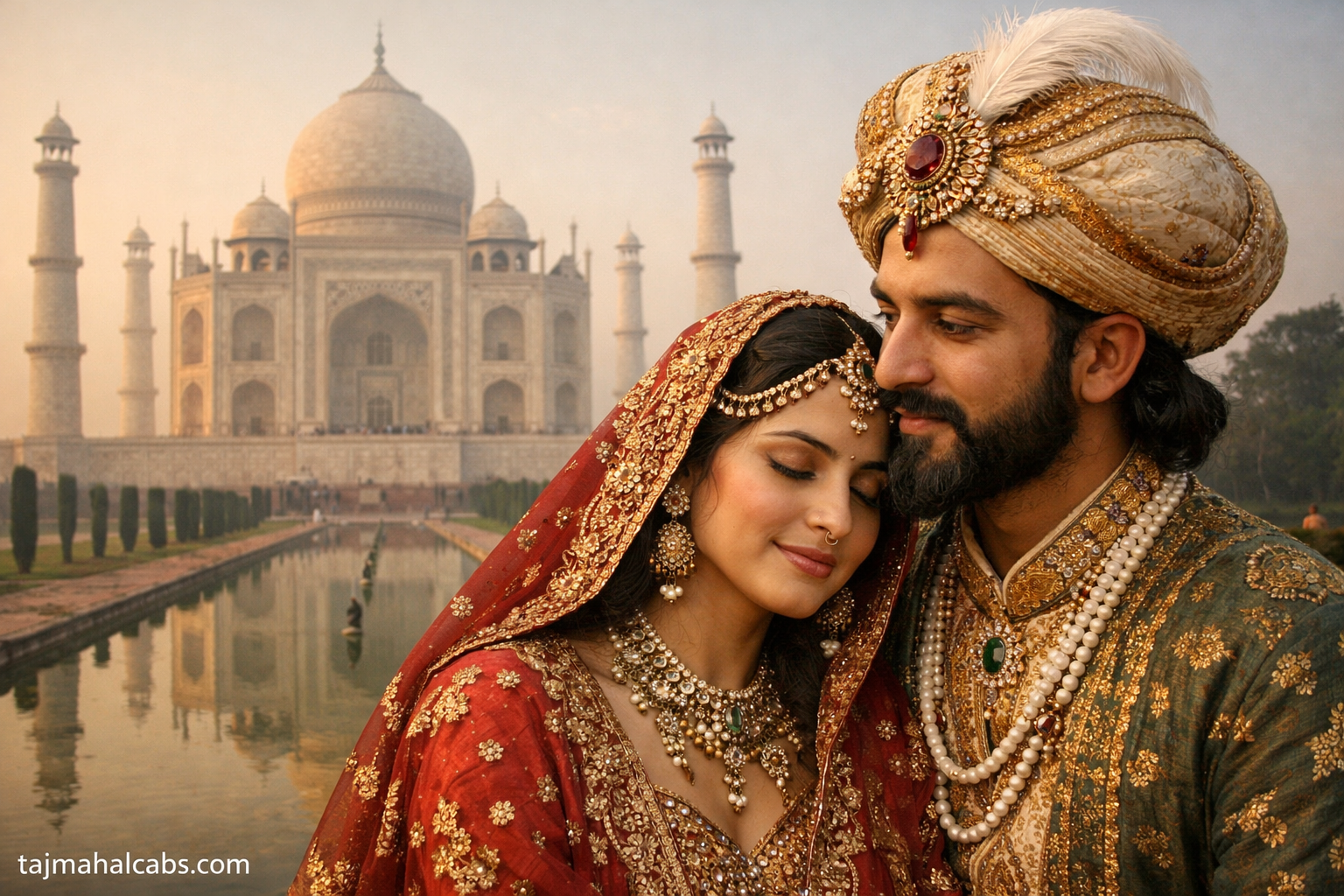
Taj Mahal Purpose: Why Was It Built and What Is It Used For?
The Taj Mahal stands as one of the most iconic monuments in the world, located in Agra, Uttar Pradesh, India. People from all over the world are captivated by its stunning white marble, symmetrical gardens, and majestic domes. It was commissioned in the 17th century by the Mughal emperor Shah Jahan. This magnificent structure has long fascinated historians, tourists, and art lovers alike. But beyond its stunning beauty, many wonder: Taj Mahal what is it used for?
At first glance, the Taj Mahal may seem like just a grand architectural marvel. However, its original purpose is far more profound. It was constructed as a mausoleum to honor Shah Jahan’s beloved wife, Mumtaz Mahal, who passed away during childbirth in 1631. This act of devotion transformed the Taj Mahal into a symbol of eternal love, a story that resonates across cultures and generations.
“Taj Mahal: Uncover its purpose, why it was built by Shah Jahan, and why millions of visitors come to see this world-famous monument.”
Over the centuries, the Taj Mahal has evolved from a personal memorial into a cultural heritage site, a UNESCO World Heritage site, and a major tourist attraction. Today, it continues to serve multiple functions: it is a site for tourism, education, cultural exploration, and photography, while also maintaining spiritual and historical significance.
In this article, we’ll explore the purpose, function, and historical importance of the Taj Mahal, answering questions like “what is the purpose of the Taj Mahal?” and “why is the Taj Mahal important?” for first-time visitors and global travelers.
 How to Reach Taj Mahal from Delhi
A Practical Guide from Alamgir Khan, Local Taj Mahal Tour Expert at Taj Mahal Cabs.


Great Deals on Tours with Taj Mahal Cabs
Great Deals
Taj Mahal Cabs offers amazing prices on all our tours, with up to 30% discount.
Friendly Help
We’re here 24/7 to ensure your tour experience is unforgettable. Reach us via phone, email, or WhatsApp.
Instant Booking
Book last-minute tours and get instant confirmations. No hassles!
Free Cancellation
Plans change? No worries. Cancel up to 24 hours before your activity for a full refund.
Purpose and Function of the Taj Mahal
Built as a Mausoleum for Mumtaz Mahal
The primary purpose of the Taj Mahal was to serve as a mausoleum for Mumtaz Mahal, the favorite wife of Shah Jahan. Her death left the emperor devastated, and he decided to immortalize her memory by constructing a monument that reflected both love and grandeur. The main tomb houses both Mumtaz Mahal and Shah Jahan, although Shah Jahan’s cenotaph was added later.
This is why, when people ask, “Taj Mahal what is it used for?”, the historical answer is clear: it is a mausoleum, a final resting place for the queen, designed with intricate marble inlay work, calligraphy, and ornamental gardens to symbolize eternal love and paradise.
Symbol of Love and Mughal Architectural Excellence
Beyond being a tomb, the Taj Mahal also represents the artistic and architectural prowess of the Mughal era. Its purpose extends to showcasing Mughal design principles: symmetry, geometric precision, and harmonious integration with nature. The gardens, reflecting pools, and minarets are all part of this grand design, making it an architectural masterpiece admired worldwide.
The monument also serves a symbolic function, representing the cultural and emotional values of the period. People often ask, “Taj Mahal what does it show?” — it shows love, grief, devotion, and the extraordinary skill of Mughal artisans.
Historical Significance
Mughal Dynasty and Cultural Context
The Taj Mahal was built during the height of the Mughal Empire, a time of prosperity, cultural richness, and artistic innovation. Its construction involved thousands of artisans, craftsmen, and labourers from across India, Persia, and Central Asia. The monument reflects not just a personal story of love but also the political and cultural aspirations of Shah Jahan’s reign.
UNESCO World Heritage Recognition
In 1983, the UNESCO World Heritage Committee recognised the Taj Mahal as a World Heritage Site, citing its “outstanding universal value.” This designation emphasises the historical, cultural, and architectural importance of the monument and ensures its protection for future generations.
Current Use of the Taj Mahal
Tourism
Today, the Taj Mahal functions as one of India’s most visited tourist attractions, drawing millions of visitors each year. Tourists from around the world ask, “what is Taj Mahal used for today?” The answer: it is a place to experience history, architecture, and culture firsthand. The monument offers guided tours, photography opportunities, and educational experiences.
Learn when to visit the Taj Mahal for fewer crowds and a more serene experience, allowing you to fully appreciate its white marble splendor and intricate details.
Cultural Events and Photography
While the Taj Mahal is primarily a mausoleum, it also serves as a hub for cultural exploration. Photographers, artists, and historians visit regularly to capture its beauty and study its design. Special events and cultural exhibitions occasionally take place, making it a living monument that connects past and present.
Spiritual Significance
The mosque on the Taj Mahal grounds is still used for prayers, particularly on Fridays. While the main structure serves as a historical site, certain sections retain their original religious function, highlighting the monument’s layered purposes.
Fun Facts and Trivia
- Marble Inlay Work: The monument is decorated with intricate pietra dura inlays, using precious and semi-precious stones.
- Architectural Symbolism: Every element, from the four minarets to the reflecting pools, represents Mughal principles of symmetry and paradise gardens.
- Global Recognition: Often called a 7th wonder of the world, the Taj Mahal’s beauty transcends geographical boundaries.
- Changing Color: The Taj Mahal appears to change color depending on the time of day, from soft pink in the morning to dazzling white at noon and golden at sunset.
Why the Taj Mahal Remains Important Today
Even after nearly 400 years, the Taj Mahal continues to hold cultural, historical, and emotional significance. Its importance is multi-layered:
- Symbolic: Represents eternal love and devotion.
- Cultural: Exemplifies Mughal architecture and artistic excellence.
- Economic: Supports tourism, contributing to Agra’s economy.
- Educational: Serves as a learning site for historians, architects, and students worldwide.
Visitors frequently ask, “why is the Taj Mahal important?” The answer lies in its ability to connect history, art, emotion, and culture in a single, awe-inspiring structure.
Materials and Construction
The Taj Mahal is built primarily of white marble, sourced from Makrana in Rajasthan. It incorporates red sandstone, precious stones, and intricate inlay work, showcasing Mughal craftsmanship. People often wonder, “Taj Mahal what it is made of?” or “Taj Mahal what was the purpose of the structure?” — the materials and design choices were meant to convey eternity, purity, and paradise on earth.
Location and Geography
The Taj Mahal is located in Agra, Uttar Pradesh, India, on the banks of the Yamuna River. Its strategic location not only provides a picturesque backdrop but also reflects Mughal urban planning principles, combining natural beauty with architectural brilliance.
Wondering is Taj Mahal located in Delhi or Agra? Discover the exact location, travel tips, and how to plan your visit from Delhi or nearby cities efficiently
If you need help planning your route, timing, or transport,
Alamgir Khan, Taj Mahal Cabs Expert – can personally assist you with this.
👨💼for Booking & Inquiry Please Call / WhatsApp to +91 7500-840-840
Taj Mahal Visiting FAQ – Best Times & Tips
Q: What is the Taj Mahal most famous for?
A: The Taj Mahal is most famous for its white marble beauty, architectural symmetry, and status as a symbol of love.
Q: Why is Taj Mahal a 7 wonder of the world?
A: Its timeless beauty, engineering marvel, and cultural significance earned it a spot among the modern wonders.
Q: What are 5 facts about the Taj Mahal?
A: 1. Built by Shah Jahan in memory of Mumtaz Mahal. 2. UNESCO World Heritage Site. 3. Made of white marble. 4. Appears to change color with sunlight. 5. Features a mosque still in use for prayers.
Q: What was the original purpose of the Taj Mahal?
A: To serve as a mausoleum for Mumtaz Mahal.
Q: Is the wife still buried in the Taj Mahal?
A: Yes, Mumtaz Mahal’s cenotaph remains at the center of the tomb.
Q: What are the main points of the Taj Mahal?
A: Mausoleum, Mughal architecture, gardens, reflecting pools, minarets.
Q: What is the importance of the Taj Mahal?
A: Symbol of love, historical monument, tourist attraction, and cultural heritage site.
Q: What is the full name of Taj?
A: Taj Mahal, meaning “Crown of Palaces.”


✍️ Author
Written by Alamgir Khan, Agra-based tour expert and founder of Taj Mahal Cabs, helping travelers from around the world experience India’s most iconic monument with comfort, care, and authenticity.
You must be logged in to post a comment.