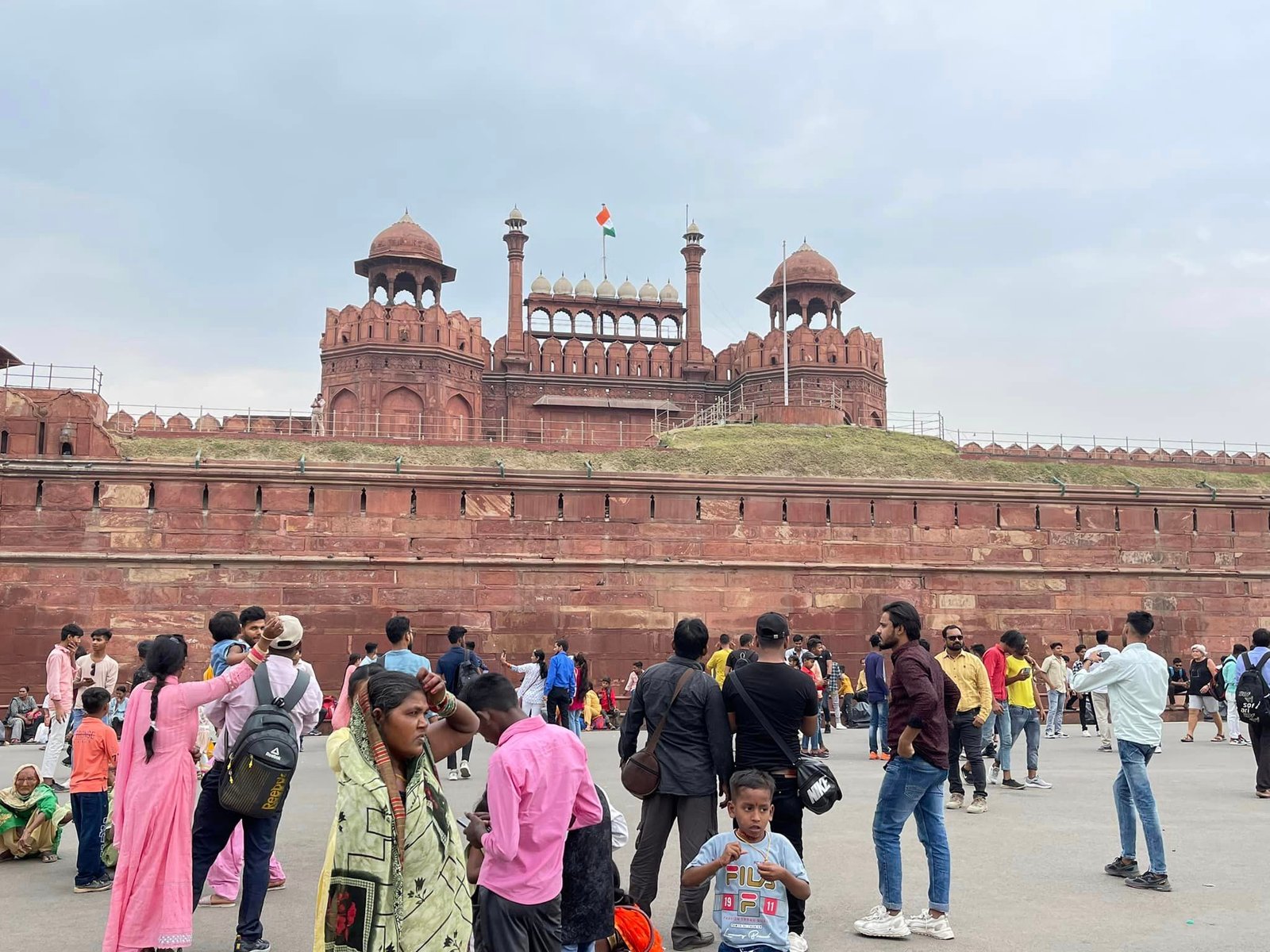
Delhi Shopping Guide: Markets, What to Buy & Tips
Delhi Shopping Guide: Best Markets, What to Buy & First-Time Visitor Tips
Delhi is one of India’s most varied shopping destinations. You can move from historic bazaars and specialist market lanes to handicraft centres, modern shopping districts and premium boutiques within the same city.
The challenge for a first-time visitor is not finding somewhere to shop. It is choosing the right market for what you actually want to buy.
Chandni Chowk is very different from Dilli Haat. Sarojini Nagar is different from Khan Market. Janpath serves a different purpose from a premium shopping centre.
This Delhi shopping guide helps you decide where to go, what to look for, when bargaining makes sense, how to avoid common shopping mistakes, and how to fit shopping into a Delhi sightseeing itinerary.
If you are still planning the wider trip, start with the Delhi travel guide for first-time visitors before choosing individual shopping areas.
Quick Answer: Where Should You Shop in Delhi?
The best shopping area depends on what you want to buy.
| What you want | Areas to consider | Best for |
|---|---|---|
| Traditional bazaar experience | Chandni Chowk | First-time visitors |
| Indian handicrafts | Dilli Haat | Crafts and regional products |
| Souvenirs | Janpath | Small gifts and browsing |
| Bargain clothing | Sarojini Nagar | Budget shoppers |
| Indian clothing and fabrics | Chandni Chowk, Lajpat Nagar | Traditional and everyday wear |
| Jewellery | Dariba Kalan, established jewellers | Jewellery shoppers |
| Wedding accessories | Kinari Bazaar | Specialist shopping |
| Books | Nai Sarak, Daryaganj | Books and literature |
| Premium shopping | Khan Market | Comfortable browsing |
| Modern brands | Connaught Place, South Delhi | Branded shopping |
| Regional handicrafts | State emporia | Handlooms and crafts |
| Local-market atmosphere | Lajpat Nagar | Everyday Delhi shopping |
There is no single “best market in Delhi.” Your choice should depend on your budget, shopping list, tolerance for crowds, and how much time you have.
What Is Delhi Famous for Shopping?
Delhi is particularly interesting for travellers who want products connected with Indian craft, textiles, food and everyday culture.
Popular purchases include:
- Indian handicrafts
- Handloom textiles
- Cotton and silk products
- Scarves and shawls
- Traditional clothing
- Jewellery
- Brass and wooden crafts
- Pottery
- Decorative items
- Spices
- Tea
- Books
- Packaged sweets
- Small souvenirs
For expensive products, however, do not assume that a market’s reputation guarantees authenticity or quality. Compare sellers, ask questions and keep receipts.
If shopping is only one part of your trip, compare it with the wider list of places worth visiting in Delhi so you can avoid spending an entire day crossing the city unnecessarily.
Best Shopping Markets in Delhi
1. Chandni Chowk
Best for: Traditional bazaars, textiles, jewellery, spices, wedding goods and the atmosphere of Old Delhi.
If you want to experience the energy of historic Delhi, Chandni Chowk is an obvious starting point.
It is not really one single market. The area contains specialist lanes and bazaars where different types of products are concentrated.
Depending on the lane, you may encounter:
- Fabrics
- Clothing
- Jewellery
- Wedding accessories
- Spices
- Dry fruits
- Sweets
- Religious items
- Household goods
The appeal is as much the experience as the shopping.
You may move through narrow lanes filled with shops, food stalls, pedestrians, cycle-rickshaws and historic buildings within a short walk.
Is Chandni Chowk good for first-time visitors?
Yes, if you are comfortable with crowds.
If you prefer quiet, air-conditioned and highly organised shopping, it may not be your first choice.
It also makes sense to combine Chandni Chowk with nearby sightseeing rather than travelling across Delhi again later.
2. Dariba Kalan
Best for: Jewellery and traditional silver items.
Dariba Kalan in Old Delhi has a long association with jewellery.
If you are only browsing, it can be an interesting part of an Old Delhi walk.
If you are buying something valuable, slow down.
Ask about:
- Purity
- Weight
- Making charges
- Taxes
- Certification
- Return policy
- Receipt
Do not make an expensive purchase simply because a seller describes something as a special deal for tourists.
3. Kinari Bazaar
Best for: Wedding decorations, trims, ribbons and traditional decorative materials.
Kinari Bazaar is particularly interesting because it is a specialist market rather than a conventional shopping centre.
You may see:
- Decorative trims
- Ribbons
- Wedding accessories
- Ornaments
- Craft materials
Even if you are not buying anything, the colourful lanes can be an interesting cultural experience.
4. Dilli Haat
Best for: Indian handicrafts, handlooms, regional products and food.
Dilli Haat is one of the easier places for a first-time international visitor to understand India’s enormous variety of regional crafts.
The marketplace brings products and traditions from different parts of India together in one location.
You can browse:
- Textiles
- Handicrafts
- Jewellery
- Home décor
- Traditional clothing
- Regional products
- Decorative items
It also has food representing different parts of India, making it useful when you want to combine shopping with a meal.
Why choose Dilli Haat?
It offers a more organised shopping experience than a traditional Old Delhi bazaar.
That does not mean every item is automatically the best value. Compare products and ask questions before buying expensive pieces.
5. Janpath Market
Best for: Souvenirs, small handicrafts, scarves, clothing and gifts.
Janpath is particularly convenient if you are already exploring central Delhi.
It works well for travellers who want smaller purchases rather than spending hours in a specialist wholesale market.
You may find:
- Scarves
- Jewellery
- Textiles
- Handicrafts
- Decorative objects
- Small souvenirs
Its central location also makes it easier to combine with Connaught Place.
6. Central Cottage Industries Emporium
Best for: Structured shopping and fixed-price handicrafts.
If bargaining makes you uncomfortable, an established emporium can be a useful alternative to a traditional market.
You can browse Indian handicrafts and handloom products in a more organised setting.
The main difference is simple:
Traditional market: more bargaining, variety and atmosphere.
Fixed-price emporium: more structured shopping and easier price comparison.
For a first-time visitor who is worried about being pressured into a purchase, having both options is useful.
7. State Emporia
Best for: Regional Indian handicrafts and handlooms.
Delhi’s state emporia are useful when you want products associated with particular regions of India without travelling to those states.
You may find:
- Regional textiles
- Handlooms
- Handicrafts
- Decorative products
- Traditional clothing
They can be particularly useful for travellers looking for a more specific type of regional product.
8. Sarojini Nagar Market
Best for: Bargain clothing, fashion items and budget shopping.
Sarojini Nagar is well known for inexpensive clothing and bargain shopping.
You may find:
- Clothes
- Shoes
- Bags
- Accessories
- Fashion items
It can be crowded and fast-paced.
If you enjoy searching through stalls and negotiating prices, it can be fun.
If you prefer a calm shopping environment, choose a different market.
9. Lajpat Nagar Central Market
Best for: Clothing, fabrics, accessories, Indian fashion and everyday shopping.
Lajpat Nagar offers a different experience from the more tourist-oriented markets of central Delhi.
It is a large local shopping area where you can browse clothing, fabrics, accessories and everyday products.
For visitors interested in seeing how residents shop, rather than only visiting tourist markets, it can be an interesting addition.
10. Connaught Place
Best for: Central Delhi shopping, restaurants, brands and mixed shopping.
Connaught Place is convenient for first-time visitors because shopping, restaurants and other city experiences are concentrated around a central area.
You can combine:
shopping → food → sightseeing
without necessarily making another long journey.
Janpath is also nearby, giving you a mixture of traditional and modern shopping.
11. Palika Bazaar
Best for: Budget browsing and bargain shopping.
Palika Bazaar is an underground market in Connaught Place.
There is a wide variety of merchandise, but this is a place where you should compare products and prices carefully.
Before purchasing:
- Check the quality.
- Inspect the item properly.
- Ask whether the price is negotiable.
- Compare similar products.
- Do not rush because a seller says the offer is available only for a few minutes.
12. Khan Market
Best for: Premium shopping, books, cafés and a more comfortable environment.
Khan Market feels very different from Chandni Chowk.
It is more polished and generally better suited to travellers looking for:
- Books
- Fashion
- Beauty products
- Lifestyle products
- Cafés
- Restaurants
- Premium Indian brands
Choose it for comfort and convenience rather than the traditional bazaar experience.
13. Hauz Khas
Best for: Boutiques, art, design, fashion and cafés.
Hauz Khas combines historic surroundings with a more contemporary side of Delhi.
It can suit travellers who want:
- Independent boutiques
- Art
- Fashion
- Design
- Cafés
- Contemporary Indian products
It is not necessarily the place to go if your main goal is inexpensive traditional souvenirs.
14. Karol Bagh
Best for: Clothing, jewellery, electronics and general shopping.
Karol Bagh is a large and busy commercial area.
It is useful for visitors who want a broad range of products rather than one specific craft or souvenir.
Because it is extensive, decide what you are looking for before arriving.
15. South Extension
Best for: Branded fashion and premium shopping.
South Extension is more appropriate for travellers interested in established brands, fashion, footwear, jewellery and modern retail.
It offers a very different experience from the traditional markets of Old Delhi.
What to Buy in Delhi
Indian Handicrafts
Handicrafts can make meaningful souvenirs because they connect your purchase with India’s craft traditions.
Consider:
- Wooden crafts
- Brass objects
- Pottery
- Textiles
- Decorative pieces
- Regional handicrafts
Dilli Haat and state emporia are useful places to begin comparing different styles.
Indian Textiles
India has an enormous textile tradition.
Depending on your budget, you may find:
- Cotton fabrics
- Silk
- Shawls
- Scarves
- Embroidered textiles
- Handloom products
If a product is expensive, ask what material it is made from and whether the seller can provide documentation.
Traditional Clothing
Popular purchases include:
- Kurtas
- Sarees
- Scarves
- Shawls
- Nehru jackets
- Traditional dresses
For easier shopping, established stores can be more comfortable.
For the traditional market experience, explore areas such as Chandni Chowk and Lajpat Nagar.
Jewellery
Delhi has options ranging from inexpensive costume jewellery to valuable gold and silver pieces.
For expensive purchases, ask for:
- Weight
- Purity
- Making charges
- Tax invoice
- Certification
Keep your documentation.
If you are not confident evaluating jewellery, do not let a seller rush you into buying.
Spices
Spices can be lightweight and easy to pack.
Popular choices include:
- Cardamom
- Black pepper
- Cumin
- Turmeric
- Chilli
- Masala blends
If you are taking food products home internationally, check your destination country’s customs requirements before purchasing large quantities.
Indian Tea
Tea is another easy-to-pack souvenir.
You can look for:
- Assam tea
- Darjeeling tea
- Masala chai blends
- Green tea
- Speciality Indian teas
For international travel, sealed and clearly labelled products are generally easier to deal with than loose products.
Books
Books can be excellent souvenirs for travellers interested in Indian history, culture and literature.
Nai Sarak and Daryaganj are traditionally associated with book shopping.
If you are planning a broader cultural itinerary, you may also want to compare your shopping plans with the city’s Delhi attractions and sightseeing options.
Indian Sweets
Popular choices include:
- Kaju katli
- Peda
- Ladoo
- Jalebi
- Soan papdi
Consider shelf life before buying sweets as gifts.
For international travel, also check your destination country’s food-import rules.
Best Delhi Souvenirs for First-Time Visitors
If you want something small and easy to pack, consider:
- Indian tea
- Spices
- Scarves
- Small handicrafts
- Handmade paper products
- Traditional jewellery
- Indian textiles
- Small brass or wooden crafts
- Books
- Packaged sweets
The best souvenir is not necessarily the most expensive one. Choose something you can actually carry comfortably for the rest of your journey.
Should You Bargain in Delhi?
Sometimes—but not everywhere.
Bargaining is common in many traditional and informal markets.
It is more likely to be appropriate in:
- Street markets
- Informal bazaars
- Some handicraft stalls
It is less appropriate when:
- Prices are clearly marked as fixed.
- You are shopping at an established retailer.
- The seller clearly states that the price is fixed.
Do not assume that every shop expects negotiation.
How to Bargain Without Making It Uncomfortable
A simple approach works well.
Step 1: Ask the price
Let the seller give the initial price.
Step 2: Inspect the product
Check the quality before negotiating.
Step 3: Ask politely
Try:
“Is there a better price?”
Step 4: Make a reasonable offer
Do not start with an unrealistic number simply because you are a tourist.
Step 5: Be prepared to walk away
If the price does not work for you, politely thank the seller and leave.
The objective is a price you are comfortable paying—not winning a negotiation at all costs.
Common Delhi Shopping Mistakes to Avoid
First-time visitors can make shopping harder than it needs to be.
Be cautious if someone unexpectedly tells you:
- Your chosen market is closed.
- The road ahead is blocked.
- Your hotel has moved.
- You need to visit a particular “government shop.”
- Only one shop has the product you want.
- You are entitled to a special tourist discount.
- A product is an extremely rare antique.
- Your driver can get you a special price somewhere else.
You are free to choose where you shop.
If you want to visit a particular market, go there directly.
For wider first-trip advice, the Delhi travel tips for first-time visitors are worth reading before heading into busy markets.
Be Especially Careful With Claimed Antiques
A seller describing an item as “very old” does not automatically make it an antique.
If you are considering an expensive historic object, ask about:
- Provenance
- Documentation
- Export requirements
- Receipts
- Certification where applicable
For ordinary souvenirs, buying from an established seller is generally a simpler approach.
Do not purchase cultural or historic objects casually just because the seller claims they are rare.
How Much Should You Budget for Shopping in Delhi?
There is no single Delhi shopping budget.
You might spend under US$10 on small souvenirs, while premium textiles, jewellery or handicrafts can cost hundreds or even thousands of US dollars.
The price depends on:
- Product
- Material
- Quality
- Brand
- Seller
- Craftsmanship
- Whether bargaining is involved
Keep shopping separate from your basic travel budget.
For the broader cost picture, use the Delhi travel cost breakdown when planning your overall trip.
Delhi Shopping by Budget
Budget Shopping
Consider:
- Sarojini Nagar
- Lajpat Nagar
- Chandni Chowk
- Janpath
Mid-Range Shopping
Consider:
- Dilli Haat
- Connaught Place
- Selected handicraft stores
Premium Shopping
Consider:
- Khan Market
- South Extension
- Established boutiques
- Premium retail areas
Remember that “budget” does not automatically mean “better value.” Check quality and compare similar products before buying.
How to Fit Shopping Into a Delhi Itinerary
One of the biggest mistakes first-time visitors make is treating every Delhi attraction and market as if it were next door.
Delhi is large, and traffic can make apparently short journeys take much longer.
Before choosing your shopping area, look at your sightseeing route.
If you are unsure how many days to allocate, start with this guide on how many days you need in Delhi.
For a shorter visit, a carefully planned one-day Delhi itinerary can help you combine sightseeing, food and shopping without spending the whole day in transit.
Five Practical Shopping Combinations
Option 1: Traditional Old Delhi
Red Fort → Jama Masjid → Chandni Chowk → Kinari Bazaar → Dariba Kalan → Old Delhi food
Best for travellers who want history, markets and food in one experience.
Option 2: Handicrafts + South Delhi
Qutub Minar → Dilli Haat → South Delhi
A good combination if handicrafts are more important to you than bargain shopping.
Option 3: Central Delhi
Central Delhi sightseeing → Connaught Place → Janpath → handicraft shopping
This works particularly well for first-time visitors staying in or around central Delhi.
Option 4: Bargain Shopping
Sarojini Nagar → Lajpat Nagar
Best for travellers who enjoy budget clothing and busy local markets.
Option 5: Premium Shopping
Central/South Delhi sightseeing → Khan Market → South Extension
Better for travellers who prefer established stores, cafés and a more relaxed shopping environment.
How to Get Around Delhi While Shopping
Your transport choice should depend on the market.
The metro can be useful for avoiding some road traffic, while taxis, auto-rickshaws and private cars can be more convenient when you are carrying purchases.
If you are comparing your options, this practical guide to getting around Delhi explains the main choices.
You can also use the Delhi transportation guide for a broader comparison.
For visitors who prefer metro travel, the Delhi Metro guide is the more focused resource.
Shopping With Luggage: A Simple Tip
If you are travelling with suitcases, shopping becomes more complicated.
Avoid buying fragile, heavy or bulky items immediately before a long train or road journey.
If possible:
Hotel → sightseeing → shopping → hotel
is easier than carrying several bags through multiple transport connections.
This is especially important if Delhi is only one stop in a longer India itinerary.
Delhi Shopping Before the Taj Mahal
If Agra is your next destination, you do not necessarily need to complete all your shopping before visiting the Taj Mahal.
In fact, it can be easier to do major shopping after your Agra sightseeing or once you return to Delhi.
Carrying:
- Fragile handicrafts
- Heavy textiles
- Multiple shopping bags
- Jewellery
- Food products
through a full sightseeing day can be inconvenient.
If you are planning both cities, treat your Delhi and Agra sightseeing as connected parts of your itinerary rather than trying to do everything at once.
Delhi Shopping + Taj Mahal: When a Private Car Makes Sense
A private car is not necessary for every traveller.
However, it can make sense if you are:
- Travelling with family
- Carrying several shopping bags
- Travelling with luggage
- Combining several distant parts of Delhi
- Continuing from Delhi to Agra
- Travelling with limited time
For example:
Delhi hotel → sightseeing → shopping → hotel
can be simpler when you do not have to repeatedly change transport while carrying purchases.
If that matches your travel style, compare the option of a Delhi city tour by car.
Taj Mahal Cabs is primarily useful here as a transportation option, not as a reason to choose a particular market.
Delhi Shopping and Food
Shopping and food naturally go together in Delhi.
Chandni Chowk, Connaught Place, Dilli Haat and several other areas allow you to combine browsing with a meal or snack.
If food is an important part of your trip, use the Delhi food guide to plan where eating fits into your shopping route.
This is particularly useful when you want to avoid crossing the city just for lunch.
Shopping Tips for First-Time Visitors
1. Do not buy from the first shop
Compare similar products before committing.
2. Inspect quality
Look carefully at textiles, leather, jewellery, handicrafts and electronics.
3. Keep receipts
Especially for expensive purchases.
4. Ask whether the price is fixed
Do not automatically bargain everywhere.
5. Keep valuables secure
Busy markets require the same basic awareness as any crowded urban area.
6. Do not carry your entire travel budget
Take only what you reasonably need.
7. Leave room in your luggage
Your suitcase may become heavier than expected.
8. Check customs requirements
Especially for food, plants, animal products, valuable items and cultural objects.
9. Do not allow yourself to be rushed
A genuine purchase does not need to be completed in thirty seconds.
10. Plan shopping around sightseeing
A market that looks close on a map may still take significant time to reach.
Frequently Asked Questions
What is the best market in Delhi for tourists? +
For a traditional experience, Chandni Chowk is a strong choice. For handicrafts and regional products in a more organised setting, Dilli Haat is particularly useful.
What should I buy in Delhi? +
Popular purchases include Indian textiles, handicrafts, scarves, traditional clothing, jewellery, spices, tea, books and small souvenirs.
Where can I buy Indian handicrafts in Delhi? +
Dilli Haat, state emporia, Janpath and established handicraft retailers are useful places to start comparing products.
Is bargaining allowed in Delhi? +
Bargaining is common in many traditional and informal markets, but it is not appropriate everywhere. Ask whether the price is fixed before negotiating.
Is Chandni Chowk worth visiting for shopping? +
Yes, particularly if you want the atmosphere of a historic Delhi bazaar and are interested in textiles, jewellery, wedding goods, spices and specialist markets.
Is Dilli Haat worth visiting? +
It can be an excellent choice for travellers interested in Indian handicrafts, handlooms and regional products, particularly if you prefer a more organised environment.
Where can I buy cheap clothes in Delhi? +
Sarojini Nagar and Lajpat Nagar are popular choices for budget-oriented clothing and fashion shopping.
Where should I shop for premium products? +
Khan Market, South Extension and selected boutiques in South and Central Delhi are more appropriate for premium shopping.
What should I avoid buying in Delhi? +
Be particularly cautious with expensive jewellery, claimed antiques and products whose origin or authenticity is unclear. For valuable purchases, use reputable sellers and keep documentation.
Can I shop in Delhi before visiting the Taj Mahal? +
Yes, but avoid carrying large or fragile purchases through a full Agra sightseeing day if you can store them safely at your hotel.
How much money should I take shopping in Delhi? +
That depends entirely on what you intend to buy. Small souvenirs may cost relatively little, while premium textiles, jewellery and handicrafts can cost much more. Set a shopping budget separately from your accommodation, food and transport budget.
Final Advice: Shop for the Experience You Want
Delhi shopping is not one experience.
Chandni Chowk is about historic bazaars and specialist markets.
Dilli Haat is useful for handicrafts and regional products.
Janpath works well for souvenirs and central Delhi browsing.
Sarojini Nagar suits bargain hunters.
Lajpat Nagar offers a large local-market experience.
Khan Market is better for comfortable premium shopping.
The smartest approach is not to visit every famous market.
Choose one or two areas that match what you actually want to buy, then build your sightseeing around them.
For a first trip to Delhi, that usually means less time sitting in traffic, fewer unnecessary purchases, and a much more enjoyable shopping experience.
And if Delhi is the beginning of your Taj Mahal journey, leave enough flexibility in your itinerary to enjoy both cities rather than turning shopping into another rushed checklist.
👨💼for Booking & Inquiry Please Call / WhatsApp to +91 7500-840-840





Last reviewed: August 2026
Author
Babloo, Taj Mahal Cabs