12-Day Rajasthan Itinerary with Taj Mahal | India Travel Guide
12-Day Rajasthan Itinerary with the Taj Mahal
Planning a Rajasthan trip for the first time can be difficult because the state is large, its major cities are spread across different regions, and many travelers also want to include the Taj Mahal.
The good news is that you do not have to choose between Rajasthan’s forts, palaces and colorful cities and the Taj Mahal.
With 12 days, you can combine the two into one well-planned northern India journey.
A practical route is:
Delhi → Agra → Jaipur → Pushkar → Jodhpur → Udaipur → Delhi
This itinerary combines the Taj Mahal and Mughal heritage with Rajasthan’s royal architecture, historic cities, markets, temples, lakes and local culture.
It is designed especially for first-time visitors who want a realistic route rather than a rushed checklist of attractions.
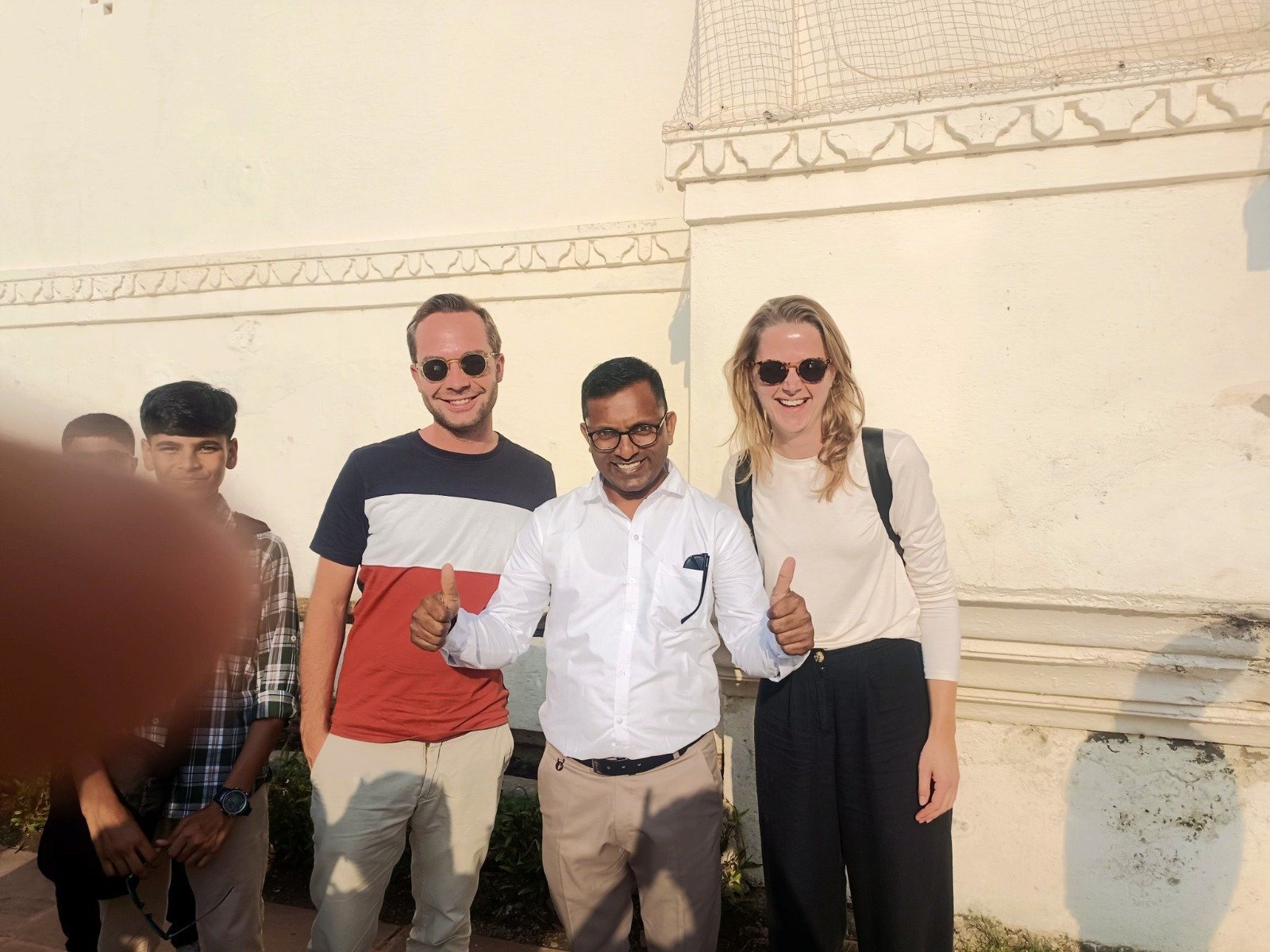
Babloo’s practical advice: Don’t try to see everything in Rajasthan in 12 days. Choose the places that fit naturally along your route and leave enough time to enjoy them.
12-Day Rajasthan and Taj Mahal Route at a Glance
| Day | Destination | Main Experience | Overnight |
|---|---|---|---|
| Day 1 | Delhi | Arrival and rest | Delhi |
| Day 2 | Delhi | Old & New Delhi sightseeing | Delhi |
| Day 3 | Delhi → Agra | Agra Fort and local sightseeing | Agra |
| Day 4 | Agra → Jaipur | Taj Mahal sunrise and transfer | Jaipur |
| Day 5 | Jaipur | Amber Fort and Pink City | Jaipur |
| Day 6 | Jaipur → Pushkar | Pushkar Lake and old town | Pushkar |
| Day 7 | Pushkar → Jodhpur | Transfer and Blue City | Jodhpur |
| Day 8 | Jodhpur | Mehrangarh Fort and heritage | Jodhpur |
| Day 9 | Jodhpur → Udaipur | Scenic Rajasthan journey | Udaipur |
| Day 10 | Udaipur | City Palace and Lake Pichola | Udaipur |
| Day 11 | Udaipur | Relaxed sightseeing and culture | Udaipur |
| Day 12 | Udaipur → Delhi / onward | Departure or onward journey | — |
The route in one line
Delhi → Agra → Jaipur → Pushkar → Jodhpur → Udaipur
The route can be customized according to your arrival airport, departure city, hotel choices and interests.
Why Combine the Taj Mahal with Rajasthan?
Many first-time visitors arrive in India wanting to experience two different sides of the country.
The first is the Mughal and North Indian heritage of Agra and Delhi.
The second is Rajasthan’s Rajput history, forts, palaces and colorful cities.
Combining them creates a more varied trip.
You can experience:
- Mughal architecture in Delhi and Agra
- The Taj Mahal
- Jaipur’s royal heritage
- Pushkar’s religious and cultural atmosphere
- Jodhpur’s blue-painted old city
- Mehrangarh Fort
- Udaipur’s lakes and palaces
- Rajasthan’s traditional food and crafts
Instead of making a separate Taj Mahal trip and Rajasthan trip, you can connect the destinations into one route.
For a broader explanation of the Delhi–Agra–Jaipur circuit, see our complete Golden Triangle travel guide.
Is 12 Days Enough for Rajasthan and the Taj Mahal?
Yes, but 12 days should be viewed as a well-paced introduction rather than a complete Rajasthan tour.
Rajasthan is a large state, and you could easily spend several weeks exploring it.
Twelve days gives you enough time for a first visit covering:
Delhi + Agra + Jaipur + Pushkar + Jodhpur + Udaipur
However, you will still have several travel days.
If you prefer slow mornings, long hotel stays and more time in smaller towns, adding another two or three days would make the trip more relaxed.
If your priority is seeing the major highlights during one India vacation, 12 days is a practical timeframe.
Day 1: Arrive in Delhi
Your journey begins in Delhi.
After arriving, transfer to your hotel and take some time to recover from your flight.
If you arrive early and have enough energy, you can take a short introductory outing.
Possible options include:
- India Gate
- Connaught Place
- Humayun’s Tomb
- Lotus Temple
- A relaxed walk around a local market
Do not try to complete a full sightseeing program on arrival day if you have traveled a long distance.
Overnight: Delhi
First-time visitor tip
Keep your first day flexible.
Jet lag, airport delays and traffic can make an ambitious arrival-day itinerary stressful.
Day 2: Explore Delhi
Use your second day for a proper introduction to India’s capital.
Delhi has both historic and modern sides, so try to include a mixture rather than visiting only monuments.
Old Delhi
Explore the historic area around Jama Masjid and Chandni Chowk.
The streets can be crowded and energetic, so comfortable shoes and a little patience are useful.
Red Fort
The Red Fort is one of the most important Mughal monuments in Delhi.
Humayun’s Tomb
This grand Mughal-era tomb is an important part of Delhi’s architectural history.
Qutub Minar
Qutub Minar provides a very different architectural experience and can be included depending on your interests and schedule.
India Gate and New Delhi
You can also include selected landmarks from modern Delhi.
You do not need to see every attraction in one day.
A shorter list of well-chosen places is usually more enjoyable.
Overnight: Delhi
Day 3: Delhi to Agra
Leave Delhi for Agra.
Agra is the city where the Taj Mahal is located, making it the natural next stop before continuing into Rajasthan.
After arriving, check into your hotel and explore one or two attractions.
Agra Fort
Agra Fort is one of the city’s most important Mughal monuments.
Its courtyards, palaces and red sandstone walls provide important historical context for understanding the Taj Mahal and the Mughal period.
Itimad-ud-Daulah
The tomb of Itimad-ud-Daulah is another attractive heritage site and is often called the “Baby Taj.”
Mehtab Bagh
If you have time, Mehtab Bagh can provide a different viewpoint toward the Taj Mahal across the Yamuna River.
For more ideas, see our guide to Agra’s major sightseeing attractions.
Overnight: Agra
Day 4: Taj Mahal Sunrise and Agra to Jaipur
This is one of the most memorable days of the trip.
Start With the Taj Mahal
If you want to see the Taj Mahal in the early morning, staying in Agra the previous night makes the experience much easier.
Arrive early, complete the security process and allow enough time inside the monument complex.
Do not plan the Taj Mahal as a quick 30-minute stop.
Give yourself time to appreciate the architecture, gardens and changing morning light.
If you are planning a sunrise visit, our Taj Mahal sunrise planning guide can help you understand the practical considerations.
Continue Toward Jaipur
After breakfast, begin the journey to Jaipur.
The road distance between Agra and Jaipur is roughly 240–260 kilometres, with driving time commonly around 4.5–6 hours under normal conditions, although traffic, route choice, stops and the exact starting point can change the journey.
This is why it is better to treat Day 4 as a combined Taj Mahal + transfer day, rather than trying to schedule a large amount of additional sightseeing.
If you are interested in the route, our Agra to Jaipur road journey guide explains the journey in more detail.
Overnight: Jaipur
Day 5: Discover Jaipur
Welcome to the capital of Rajasthan.
Jaipur is known for its forts, palaces, markets and distinctive pink-colored architecture.
Amber Fort
Start with Amber Fort, one of Jaipur’s most important historical attractions.
The fort sits on a hill and offers impressive views of the surrounding landscape.
City Palace
Continue to the City Palace complex to explore Jaipur’s royal history.
Jantar Mantar
The historic astronomical observatory is an interesting addition for travelers who enjoy architecture, science and history.
Hawa Mahal
The Palace of Winds is one of Jaipur’s most recognizable landmarks.
It is particularly popular for photography.
Depending on your interests, you can also visit:
- Jal Mahal
- Albert Hall Museum
- Birla Mandir
- Local markets
- Traditional craft shops
First-time visitor tip
Do not spend the entire day moving from monument to monument.
Leave some time for lunch, shopping or simply experiencing Jaipur’s streets.
Overnight: Jaipur
Day 6: Jaipur to Pushkar
Leave Jaipur and travel toward Pushkar.
Pushkar has a very different atmosphere from Jaipur.
The town is known for:
- Pushkar Lake
- Brahma Temple
- Ghats
- Religious traditions
- Small markets
- Cafés
- Handicrafts
Spend the afternoon exploring the town at a comfortable pace.
Pushkar is particularly enjoyable when you slow down and walk rather than treating it as another checklist of monuments.
Cultural etiquette
Pushkar is a religious town.
Dress respectfully around temples and religious sites and follow local instructions regarding photography.
Overnight: Pushkar
Day 7: Pushkar to Jodhpur
Continue toward Jodhpur.
Jodhpur is often called the Blue City because of the blue-painted houses in parts of the old city.
After arriving, explore the local area if time allows.
You might visit:
- Clock Tower market
- Sardar Market
- Old City lanes
- Local handicraft shops
If you arrive later in the day, keep the evening relaxed and save the major fort visit for the following morning.
Overnight: Jodhpur
Day 8: Explore Jodhpur
Spend a full day discovering Jodhpur’s heritage.
Mehrangarh Fort
Mehrangarh Fort is the main highlight.
The massive fort stands above the city and contains palaces, courtyards, museums and historic collections.
Jaswant Thada
This elegant marble memorial is located near Mehrangarh Fort and makes a natural addition to the sightseeing route.
Blue City
Allow time to explore parts of the old city.
The experience is not only about monuments.
Jodhpur’s streets, markets, architecture and local life are part of its appeal.
Overnight: Jodhpur
Day 9: Jodhpur to Udaipur
Today you travel toward Udaipur.
The landscape changes as you move toward southern Rajasthan.
Depending on your interests and available time, you can consider a cultural or heritage stop along the route.
Do not overload the day with sightseeing.
The journey itself is part of the Rajasthan experience.
After reaching Udaipur, check into your hotel and relax.
Overnight: Udaipur
Day 10: Explore Udaipur
Udaipur is very different from Jaipur and Jodhpur.
It is known for its lakes, palaces and romantic setting.
City Palace
Begin with the City Palace complex.
The palace provides a detailed look at Mewar’s royal history.
Lake Pichola
A boat ride can be a pleasant way to experience the city from the water, subject to current operating conditions and weather.
Jagdish Temple
This historic temple is another important stop in the old city.
Old Udaipur
Leave time to explore the streets, shops and cafés around the historic center.
Overnight: Udaipur
Day 11: A Slower Day in Udaipur
One advantage of a 12-day itinerary is that you do not have to turn every day into a transfer day.
Use Day 11 for a slower Udaipur experience.
You could:
- Take a lake boat ride
- Explore local markets
- Visit an additional museum
- Enjoy a traditional meal
- Photograph the old city
- Relax at your hotel
- Watch the evening light around the lakes
If you have already seen the main attractions, there is no need to keep adding monuments.
Sometimes the best travel day is the one with the least rushing.
Overnight: Udaipur
Day 12: Departure or Continue Your Journey
Your final day depends on your onward plans.
Option 1: Continue From Udaipur
If your next destination is elsewhere in India, continue from Udaipur according to your travel arrangements.
Option 2: Return to Delhi
You can return to Delhi if your international flight or onward travel requires it.
Option 3: Extend Your Rajasthan Trip
If you have additional time, consider extending your journey rather than trying to add several destinations to the existing 12 days.
Why This Route Works for First-Time Visitors
The biggest advantage of this itinerary is that the destinations become progressively different.
Delhi
Capital city and Mughal history
Agra
Taj Mahal and Mughal heritage
Jaipur
Rajput architecture and royal history
Pushkar
Religion, culture and traditional town life
Jodhpur
Fort, Blue City and Marwar heritage
Udaipur
Lakes, palaces and Mewar culture
You get a broad introduction to northern India without trying to cover every major Rajasthan destination.
Why Put Agra Before Jaipur?
For many first-time visitors arriving in Delhi, this is one of the most logical ways to organize the route:
Delhi → Agra → Jaipur → Rajasthan
Agra sits naturally between Delhi and Jaipur.
That means you can visit the Taj Mahal early in the trip and then continue into Rajasthan rather than returning toward Agra later.
This reduces unnecessary backtracking.
It also means you can stay in Agra the night before your Taj Mahal sunrise visit.
Should You Visit the Taj Mahal at Sunrise?
If seeing the Taj Mahal in soft morning light is important to you, yes, consider it.
The biggest practical advantage is not only the light.
Staying in Agra the previous evening means you do not need to make an extremely early journey from another city.
After your visit, you can return to your hotel, have breakfast and then begin the journey toward Jaipur.
That is generally more comfortable than trying to combine a Delhi-to-Taj Mahal sunrise journey with a long Rajasthan itinerary on the same morning.
How Much Driving Is Involved?
This is one of the most important things first-time visitors should understand.
Rajasthan is geographically large.
The route includes several intercity journeys:
Delhi → Agra
Agra → Jaipur
Jaipur → Pushkar
Pushkar → Jodhpur
Jodhpur → Udaipur
Udaipur → Delhi, if required
Journey times should always be treated as estimates.
Traffic, road conditions, weather, breaks and the exact pickup and drop-off locations can change the actual time.
For a multi-city itinerary like this, a private car can be convenient because you can stop when necessary and don’t have to move luggage between different transportation systems.
But trains can also be excellent on suitable routes.
There is no single transportation method that is best for every traveler.
Private Car or Train?
A private car may suit you if:
- You are traveling as a family
- You have several pieces of luggage
- You want door-to-door transportation
- You want flexible departure times
- You want sightseeing stops between cities
- You prefer not to manage several station transfers
Trains may suit you if:
- You prefer rail travel
- A convenient train fits your route
- You want to reduce road travel
- You are comfortable managing station transfers and luggage
For a first-time visitor moving through several Rajasthan cities, private transportation can simplify the logistics, but the decision should depend on your budget and travel style.
Where Should You Stay?
Choosing the right location can be as important as choosing the hotel.
Delhi
Choose an area that works well for your sightseeing plans and airport transfer.
Agra
If the Taj Mahal sunrise is important, staying relatively close to the monument can make the morning easier.
Jaipur
Consider staying somewhere with convenient access to the old city and your planned attractions.
Pushkar
A central location can make walking around the town easier.
Jodhpur
Staying near the old city can make market and heritage exploration more convenient.
Udaipur
Lake-area accommodation can provide a memorable setting, although prices vary considerably.
Don’t choose a hotel solely because it has a famous name.
Check the location, reviews, accessibility, breakfast arrangements and cancellation conditions for your travel dates.
What Should First-Time Visitors Pack?
You don’t need specialist equipment for this trip.
Useful items include:
- Comfortable walking shoes
- Lightweight clothing
- A light jacket or warmer layer when appropriate
- Hat or cap
- Sunglasses
- Sunscreen
- Reusable water bottle
- Small day bag
- Phone charger/power bank
- Camera
- Personal medication
- Copies of important travel documents
Comfortable shoes are particularly important because forts, monuments and historic neighborhoods often involve considerable walking.
Food You Can Expect Along the Route
One of the enjoyable parts of traveling from Agra into Rajasthan is experiencing different regional food traditions.
In Agra, you can explore Mughlai and North Indian influences.
In Rajasthan, you may encounter dishes such as:
- Dal baati churma
- Gatte
- Ker sangri
- Kachori
- Laal maas
- Various vegetarian thalis
- Regional sweets
Pushkar has a particularly strong vegetarian food culture.
Jodhpur is known for snacks and local specialties, while Udaipur offers both traditional Rajasthani food and a wide selection of cafés and international options.
If you want to spend more time exploring Agra’s food scene, see our Agra food itinerary.
How to Make the Trip Less Rushed
The easiest way to improve this itinerary is to avoid adding too many attractions.
For example, on a transfer day:
Don’t plan five monuments.
Choose one meaningful stop, have lunch, and continue your journey.
Similarly, in Jaipur, Jodhpur and Udaipur, select the attractions that genuinely interest you.
A first-time visitor does not need to see every fort, palace and museum.
Is This Itinerary Good for Families?
Yes, although families should be prepared for several road journeys.
Children may enjoy the variety because the trip includes:
monuments → palaces → markets → lakes → historic forts
To make the trip easier:
- Allow regular breaks
- Carry water and snacks
- Avoid overly long sightseeing days
- Choose comfortable hotels
- Keep some free time
- Tell your driver about family requirements in advance
A private vehicle can be especially useful for families because the schedule can be adjusted when children become tired.
Is It Suitable for Older Travelers?
It can be, but the itinerary should be customized.
Some forts and historic monuments involve steps, uneven surfaces or considerable walking.
If mobility is a concern, discuss it before booking.
You can reduce the number of attractions, allow more time at each site and choose accommodation with convenient access.
The goal should be to enjoy Rajasthan, not to complete a fitness challenge.
Best Time for This Rajasthan and Taj Mahal Trip
The most comfortable time for sightseeing in much of northern India is generally during the cooler part of the year.
However, every season has advantages and disadvantages.
Cooler months
Often comfortable for sightseeing but can bring larger numbers of visitors.
Hot months
Temperatures can be very high, especially during afternoon sightseeing.
Monsoon period
Rain can affect travel conditions, but landscapes can look different and some destinations may be quieter.
Your decision should consider:
- Weather
- Crowds
- Hotel prices
- Your tolerance for heat
- Festival periods
- Your preferred travel experience
Don’t choose dates based on one “best month” claim without considering your own priorities.
What About Ranthambore?
Ranthambore is an excellent destination, but I would not automatically add it to this 12-day itinerary.
Why?
Because this page already has a strong identity:
Taj Mahal + Rajasthan
Adding Ranthambore would introduce another major destination and several additional travel considerations.
If wildlife is one of your main priorities, you can consider a customized route that includes Ranthambore.
For travelers specifically looking for the combination of the Golden Triangle and wildlife, our Golden Triangle with Ranthambore option is more directly relevant.
This keeps the two pages separate:
This page: Rajasthan + Taj Mahal
Ranthambore page: Golden Triangle + wildlife
That distinction is useful when choosing the right itinerary.
Should You Include the Golden Triangle?
Part of this itinerary overlaps naturally with the Golden Triangle because Delhi, Agra and Jaipur are the classic three destinations.
But this is not simply another Golden Triangle itinerary.
The purpose of this trip is to continue beyond Jaipur into:
Pushkar → Jodhpur → Udaipur
That is what makes the journey a broader Rajasthan experience.
If you only want Delhi, Agra and Jaipur, a shorter Golden Triangle itinerary will probably suit you better.
How This 12-Day Trip Differs From a Shorter Golden Triangle Tour
5–7 days
Best for travelers who want the major Delhi, Agra and Jaipur highlights.
8 days with Ranthambore
Best for travelers who want the Golden Triangle plus a dedicated wildlife experience.
12 days with Rajasthan
Best for travelers who want to continue beyond Jaipur and experience more of Rajasthan.
This gives each itinerary a different purpose rather than making them competing versions of the same article.
What Can Be Customized?
A 12-day itinerary does not need to look identical for every traveler.
You can potentially adjust:
- Arrival city
- Departure city
- Hotel category
- Number of nights
- Sightseeing pace
- Transportation
- Local guides
- Food experiences
- Wildlife extensions
- Additional Rajasthan destinations
For example, a traveler interested in architecture may prefer more time in Jodhpur and Udaipur.
A family may prefer fewer hotel changes.
A photographer may want more sunrise and sunset opportunities.
A couple may prefer more relaxed evenings.
The best itinerary is the one that fits the traveler—not simply the one with the most destinations.
What Is Usually Included in a Private Tour?
Exact inclusions depend on the itinerary and package selected.
A private tour may include:
- Private air-conditioned vehicle
- Driver
- Hotel accommodation
- Breakfast
- Airport or hotel transfers
- Local sightseeing
- Guides at selected monuments
Potential additional costs can include:
- Monument entrance tickets
- Meals not included in the package
- Personal expenses
- Tips
- Travel insurance
- Flights
- Visa costs
- Optional activities
Always confirm the current inclusions and exclusions before booking.
Important Things to Check Before Your Trip
Travel information can change, so check current details close to your travel dates.
Pay particular attention to:
Monument schedules
Opening days and visitor arrangements can change.
Entry fees
Ticket prices can be revised.
Hotel availability
Popular destinations can fill quickly during busy periods.
Road conditions
Travel times are estimates.
Weather
Heat, rain or fog can affect sightseeing and road travel.
Transportation
Confirm pickup locations and departure times in advance.
Travel documents
Check current visa and passport requirements using official sources appropriate to your nationality.
A Practical Packing and Planning Checklist
Before leaving home, make sure you have:
- Passport and required travel documents
- Appropriate visa or travel authorization
- Hotel confirmations
- Transportation details
- Travel insurance information
- Comfortable walking shoes
- Sun protection
- Weather-appropriate clothing
- Phone and charging equipment
- Essential medication
- Emergency contact information
- Copies of important documents
Keep digital copies of important documents as a backup.
Common Mistakes First-Time Visitors Make
Trying to visit too much
Rajasthan is large. More destinations do not automatically mean a better trip.
Underestimating travel time
A destination may look close on a map but still require several hours by road.
Booking the Taj Mahal on the wrong day
Check current visitor arrangements before fixing your itinerary.
Staying too far from major attractions
A cheaper hotel can sometimes cost more in time and transportation.
Ignoring rest days
Long-distance travel plus daily sightseeing can become exhausting.
Expecting every day to run exactly on schedule
Traffic, weather and local conditions can change your plans.
Booking without checking inclusions
Always confirm exactly what is included in the tour price.
Frequently Asked Questions
Can I visit the Taj Mahal during a 12-day Rajasthan trip? +
Yes. Agra fits naturally between Delhi and Jaipur, making it practical to include the Taj Mahal before continuing into Rajasthan.
What is the best route for Rajasthan with the Taj Mahal? +
A practical first-time route is Delhi → Agra → Jaipur → Pushkar → Jodhpur → Udaipur, followed by your onward journey.
Is 12 days enough for Rajasthan? +
Twelve days is enough for a good introduction to several major destinations, but Rajasthan is large and a longer trip allows for a slower pace.
Should I visit Agra before Jaipur? +
For many travelers starting in Delhi, yes. Delhi → Agra → Jaipur creates a logical route and avoids unnecessary backtracking.
How long should I stay in Agra? +
For the Taj Mahal and major Agra attractions, one or two nights can work well. Staying overnight is particularly useful if you want to visit the Taj Mahal around sunrise.
Is the Taj Mahal better at sunrise? +
Sunrise can offer beautiful light and a memorable atmosphere, but the experience depends on weather, crowds and current visitor arrangements.
Can I travel Rajasthan by private car? +
Yes. A private car can be convenient for a multi-city route because it provides door-to-door transfers and flexibility.
Can I use trains instead? +
Yes. Trains can be a good option on suitable routes. Your choice should depend on schedules, budget, comfort and how much flexibility you want.
Should I add Ranthambore? +
Only if wildlife is an important priority. Adding it creates another travel segment and can make the itinerary more demanding.
Is this trip suitable for children? +
Yes, provided you allow enough breaks and avoid overloading each day with sightseeing.
Is this itinerary suitable for older travelers? +
Yes, with customization. Consider mobility, walking distances, hotel access and the number of daily attractions.
Can I finish the trip in Udaipur? +
Yes. You do not necessarily have to return to Delhi. Your final destination can be customized around your onward travel arrangements.
Final Thoughts: Is This the Right 12-Day India Trip for You?
If your first India trip needs to combine the Taj Mahal with Rajasthan, this route offers a strong balance.
You begin with Delhi’s history, continue to Agra for the Taj Mahal, enter Rajasthan through Jaipur, experience Pushkar’s distinctive culture, explore Jodhpur’s fort and Blue City, and finish around the lakes and palaces of Udaipur.
The journey is varied without trying to cover every famous place in Rajasthan.
The most important thing is to leave room for the unexpected.
A road journey may take longer than planned. A monument may be busier than expected. You may discover a market you want to explore for another hour. Or you may simply want to sit beside a lake and do nothing for a while.
That’s part of traveling in India.
Babloo’s advice: For a first-time visitor, don’t measure the success of your Rajasthan trip by how many monuments you tick off. A well-planned 12-day journey should give you enough structure to see the highlights and enough flexibility to actually enjoy them.
The route to remember
Delhi → Agra → Jaipur → Pushkar → Jodhpur → Udaipur
Taj Mahal + forts + palaces + markets + culture + lakes
That is what makes this more than a Golden Triangle trip—it is an introduction to both Mughal India and Rajasthan.
👨💼for Booking & Inquiry Please Call / WhatsApp to +91 7500-840-840





Last reviewed: August 2026
Author
Babloo, Taj Mahal Cabs
👮♂️Vehicles We Use in Tours


You must be logged in to post a comment.